
In the past year, machines have crossed another threshold. They no longer confine themselves to the making of words, but can set down pictures, assemble moving scenes, and write the codes on which other machines depend. This appears new, yet it is only the latest step in a long passage of change. The first commercial computers in the 1950s, the wide spread of the internet in the 1990s, and the present moment of constant connection all belong to the same story. Each stage has narrowed the distance between man and machine, and each has hastened the pace at which the world is altered.
The newest promise is found in quantum devices. With them, the locks of cryptography may break, and the secrets of medicine may open. But the light is followed by shadow. The chains that bring chips from factory to market remain fragile, and the attacks of criminals grow sharper and more cunning. The very tools meant to safeguard life have become weapons in the hands of those who would undermine it.
At the same time, unease about the power of machines deepens. There are calls for rules to restrain them, for no one is sure what place they should take in the running of states, in the safety of citizens, or in the struggles between nations. What was once only an aid to human labour is becoming a force that compels new laws and awakens old rivalries. And as invention advances without pause, the contest is not merely over what these tools can do, but over who will command them.
The 10 Most Important Emerging Technologies in 2025
10. Edge computing
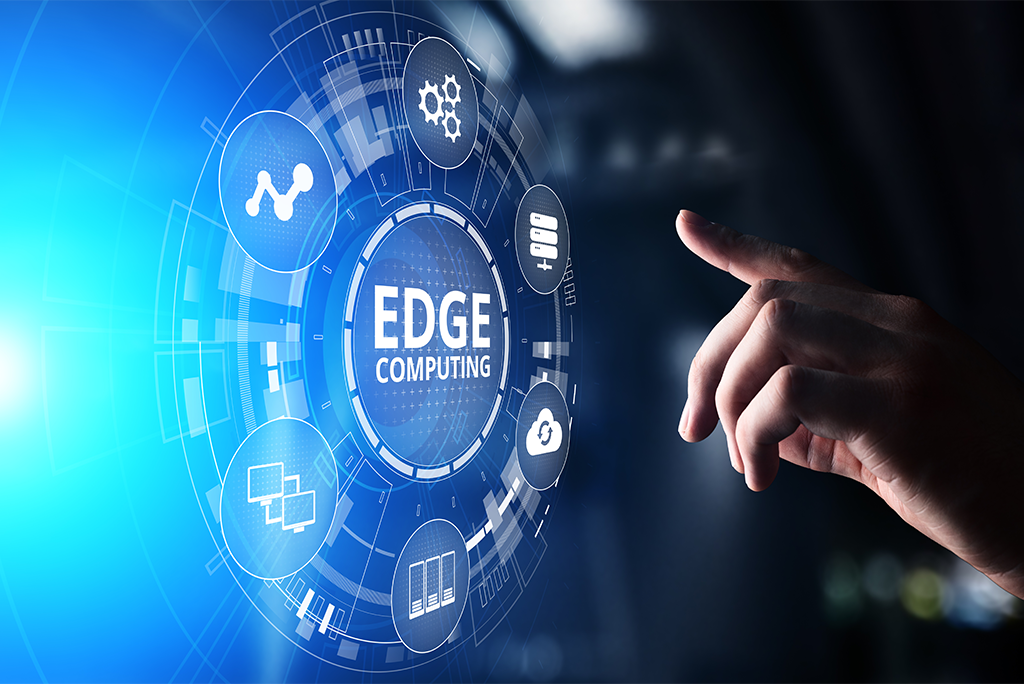
Edge computing moves the work of machines nearer to where data is made. By keeping the process close at hand, delay is cut, congestion is eased, and private information is less exposed. The idea is simple: do the task on the spot rather than send it far away. Microsoft has staked its claim with Edge Zones, placing small centres in key places to bring faster service. Amazon’s Wavelength ties this to 5G lines so that machines may act in real time. Cloudflare has gone further with Workers, letting programmers build tools that live at the edge of the network itself.
9. Blockchain
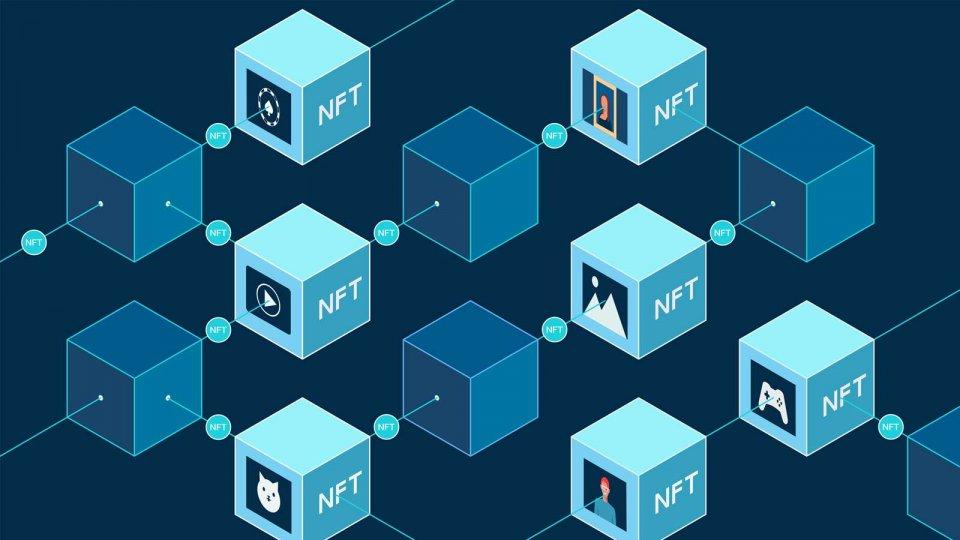
Blockchain is a chain of records held in common and not owned by one hand. Its strength lies in trust without middlemen, since each step is plain to see and hard to alter. Ethereum makes use of this to run contracts that need no court to enforce them. Ripple seeks to cut the cost and time of moving money across borders. IBM has built chains to follow goods along supply lines, showing where they stand at each stage. Beyond coins and tokens, the same method is being bent to votes, patient records, and the defence of ideas.
8. Autonomous vehicles
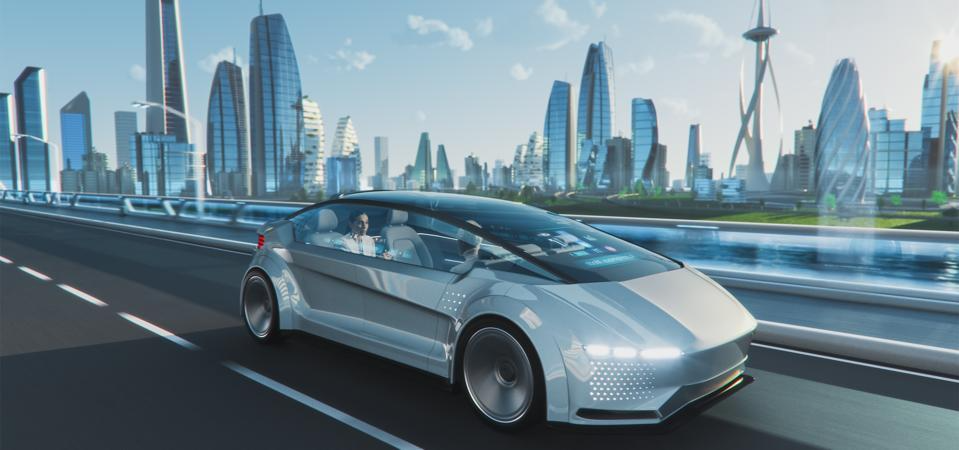
Self-driving cars steer not by human eye but by sensors, maps, and the rule sets of machines. Tesla has bet on cameras and a flood of learning from its fleet. Waymo and Cruise trust a wider mix: radar, LiDAR, cameras, and maps drawn in fine detail. Each seeks the same end, but none has cleared all hurdles. The law is unsure how to judge them, the public is slow to trust them, and the machines themselves still falter in hard cases. Progress is real, but the road ahead is long.
7. Biotechnology in agriculture

Biotechnology has begun to reshape farming by raising yields, toughening crops, and cutting waste. Firms such as Bayer, Corteva, and Ginkgo Bioworks lead the work. They breed plants that stand against pests, disease, and drought. Golden Rice, rich in beta-carotene, was made to fight blindness and poor health. Beneath the soil, microbes are put to use as fertiliser and as guard against weeds and insects. At the same time, precision tools measure fields in detail, telling farmers when to sow, feed, and harvest with less loss.
6. Internet of Things (IoT)
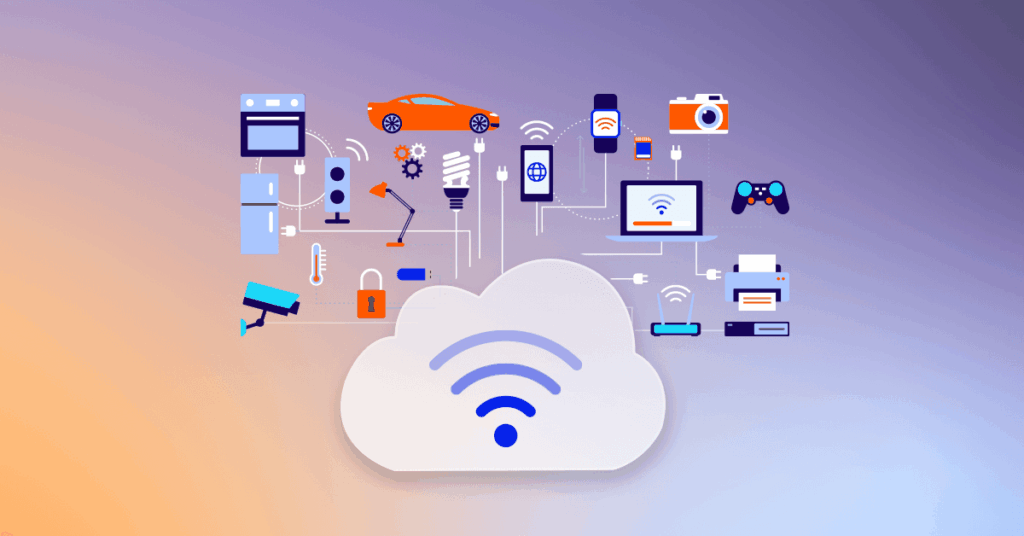
The Internet of Things links machines so they may act and decide without human hand. Amazon, Google, and Cisco push the spread of these links. In the home, sensors dim lights and lock doors. In factories, they watch the pace of production and warn when a part may fail. Farmers now plant with the aid of data on weather and soil, while towns fit roads and grids with tools to guide traffic and cut waste. What was once passive now listens, speaks, and acts in real time.
5. Augmented reality (AR)

Augmented reality sets digital images into the world we see, so that the screen and the street become one. Microsoft, Apple, and Niantic each offer their own path. Headsets, phones, and tablets act as the window through which this new layer appears. Games are the best-known face of it, but the reach is wider: a doctor may train with it, a builder may plan with it, a worker may fix a fault with it. The border between the real and the made grows thin, and both are now lived at once.
4. Virtual reality (VR) 2.0
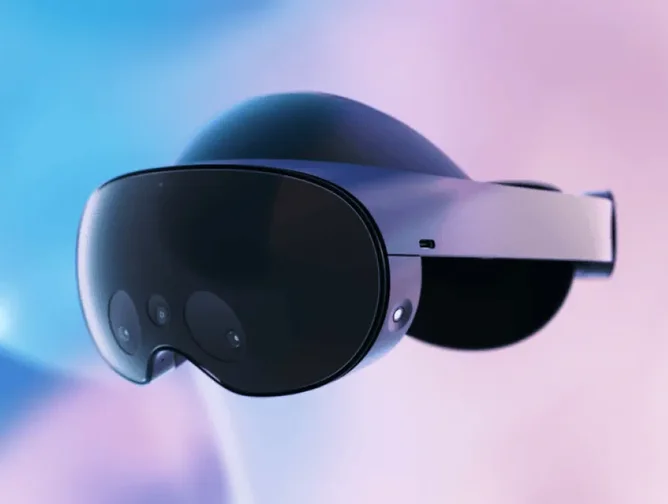
The new stage of virtual reality binds artificial intelligence with the sense of touch, shaping worlds that answer the user in real time. Meta, Sony, and HTC now sell machines with sharper screens and more exact tracking of the body. Hand grips and settings can be changed to suit each person, and speech in many tongues is built in, widening the reach of the tool. The uses go far past play. Firms train staff with it, surgeons practise with it, and scattered workers meet in shared rooms that do not exist. Sound is shaped to the ear, movement feels near to life, and with 5G lines the illusion runs without pause.
3. 5G expansion
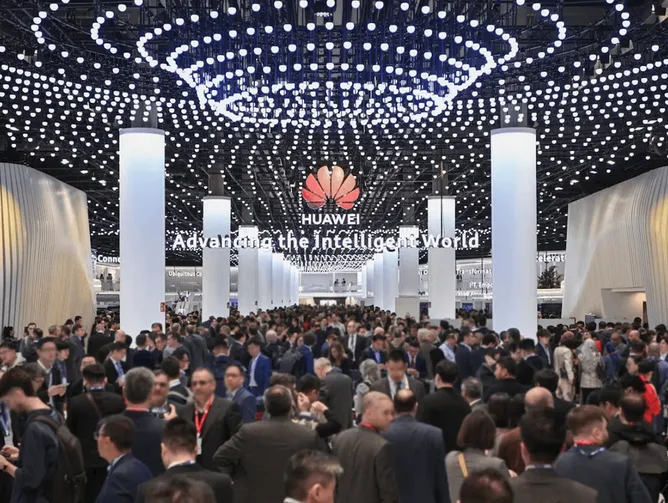
The spread of 5G has turned into a race of nations, with China in the lead. It has already raised more than four million towers and plans to build still more before the year is out. Reports claim that by 2030 over five billion links will be made. The effect will reach far. Driverless cars will guide themselves, towns will be wired to control light and traffic, and whole factories will be run through nets of sensors. Firms such as Qualcomm, Ericsson, Nokia, and Huawei drive this growth, chasing a world where delay is near zero and millions of machines speak at once.
2. Quantum computing
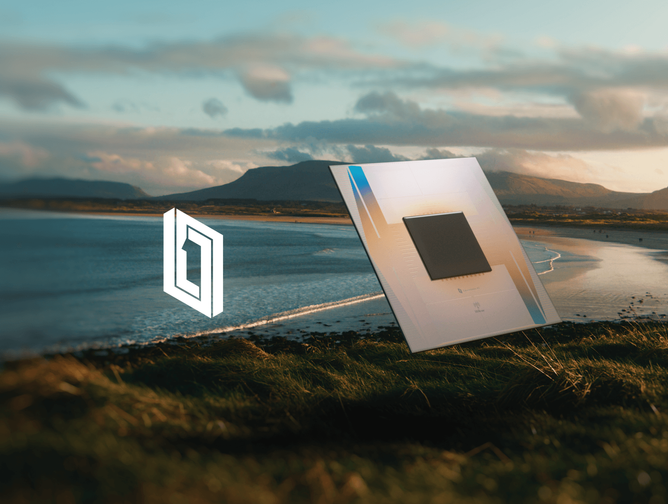
Quantum computing is inspired by the weird physics, whereby a unit can have multiple states simultaneously. When connected these qubits produce speeds that could not be matched by old machines. The influence is felt in most trades: in the discovery of new drugs, in the moulding of markets, in the cryptography, and in the AI. It can change work in weather, metals and planning. The giants like IBM, Google, Microsoft, and IonQ are now in the lead. Last year Google’s quantum chip, Willow, completed a task in minutes that would have taken the fastest supercomputer a years-long calculation to accomplish.
1. Gen AI
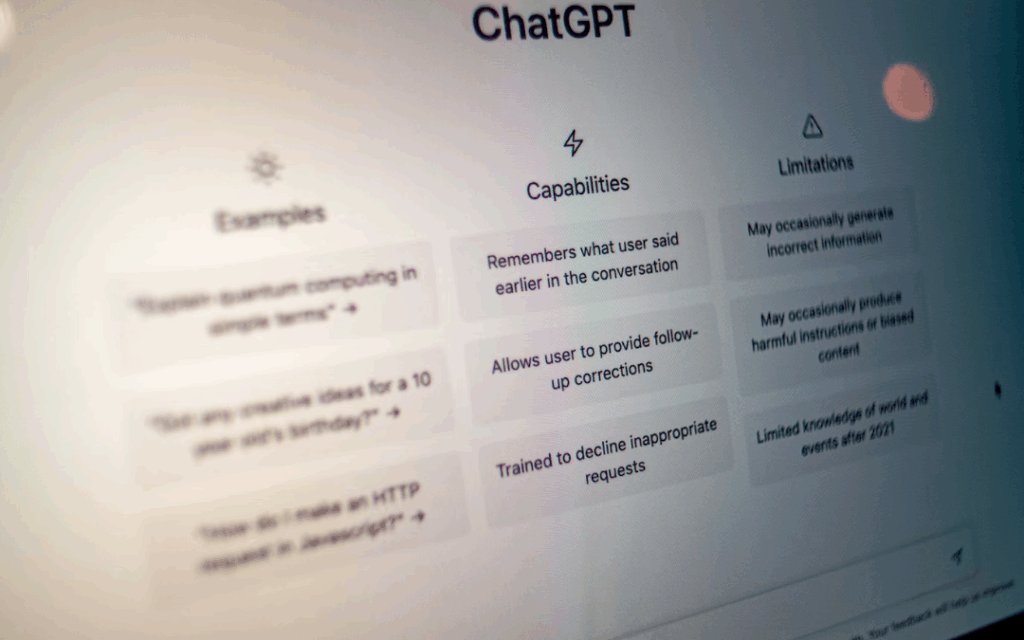
Business is spreading generative AI at a rate few would have predicted. By 2021 a little more than half of companies were using it; by 2024 the market had reached almost three-quarters, and projections suggest that it will reach more than a hundred billion dollars by the end of the decade. It is strong in the production of new things: words, images, and sound, and made to each need. The headlines are OpenAI and ChatGPT, Google and Gemini, and Nvidia and its enormous powerhouses. They are all pushing a shift whose consequences are yet to be felt.
Conclusion
At the threshold of the technological revolution, one thing is becoming obvious: the future is not only knocking at our door – it has broken the lock, entered the door, and sat down on the couch. We are living in the era of quantum computers, AI that can paint a masterpiece and at the same time assist your grandmother in video calling her cat. It is no longer a contest of who can create the fastest gadget, but who can use these devices without inadvertently giving the keys to our digital kingdom to the wrong person.
With machines becoming smarter and networks becoming denser, humanity has never had a bigger challenge than remaining relevant in the world that we are busy making obsolete. It is not whether these technologies will transform civilization, it is whether we will be driving the ship or whether we will be passengers.
FAQs
Q1: What makes generative AI so special?
Generative AI has the ability to create original content: words, images, and sounds based on individual requirements. It is simply a digital Renaissance artist who never sleeps, complains, or requires payment in cryptocurrency.
Q2: Why is 5G expansion such a big deal?
5G will offer almost zero delay and will support millions of devices at once. With four million towers, leading China to essentially make their nation one giant, very fast Wi-Fi hotspot, which makes your home router cry.
Q3: How does augmented reality differ from VR?
AR is a digital image overlayed on the real world, whereas VR is a completely new image. Compare Pokemon Go with The Matrix, one of them puts dragons in your backyard, the other takes your backyard away.
Q4: Are autonomous vehicles really coming?
Autopilot vehicles are on the rise, but they have legal, trust, and technical challenges. Tesla is betting on cameras and machine learning, and some others are betting on the “throw every sensor at it” strategy. Advancement is actual, excellence is evasive.