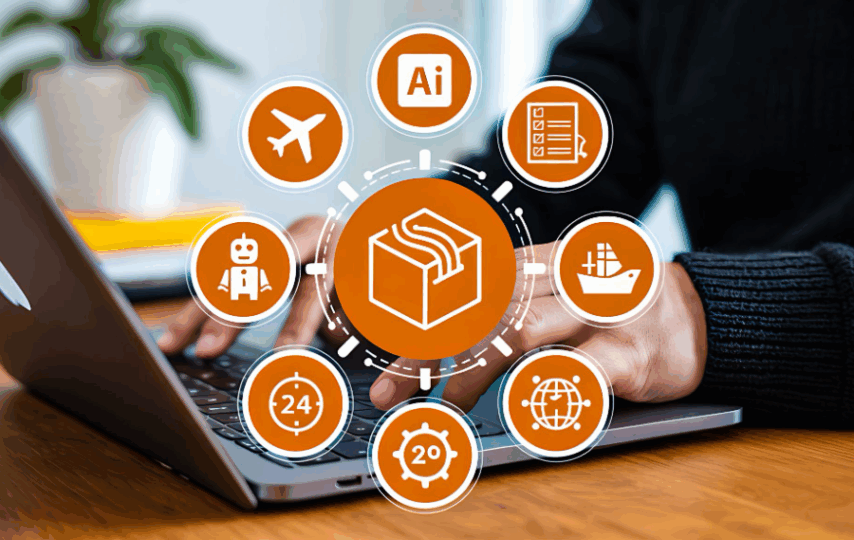

Global logistics has always been complicated. It involves an intricate and messy network of ships, trucks, and ports, making sure that a component manufactured in Asia reaches a factory in Europe without delay.
For years, it relied heavily on human experts to study paper trails and current events to make educated predictions. There’s nothing wrong with this. In the digital age, however, investing in artificial intelligence (AI) has become a necessity.
Supply chain actors, from warehouse operators to freight forwarders, use the technology to transform their operations in many ways.
Smarter Predictions = Efficiency
AI algorithms can gather and process a staggering amount of data far more than any human team. It processes historical and current information on global and domestic economic indicators, as well as sales figures.
Moreover, it studies certain risks that could affect your ground and coastal shipping operations. The system collates these fragmented datasets to find patterns that are invisible to the naked eye. This capability makes your demand forecasts more accurate. Your operations likewise become more predictable since you’re prepared to tackle unwelcome surprises and disruptions.
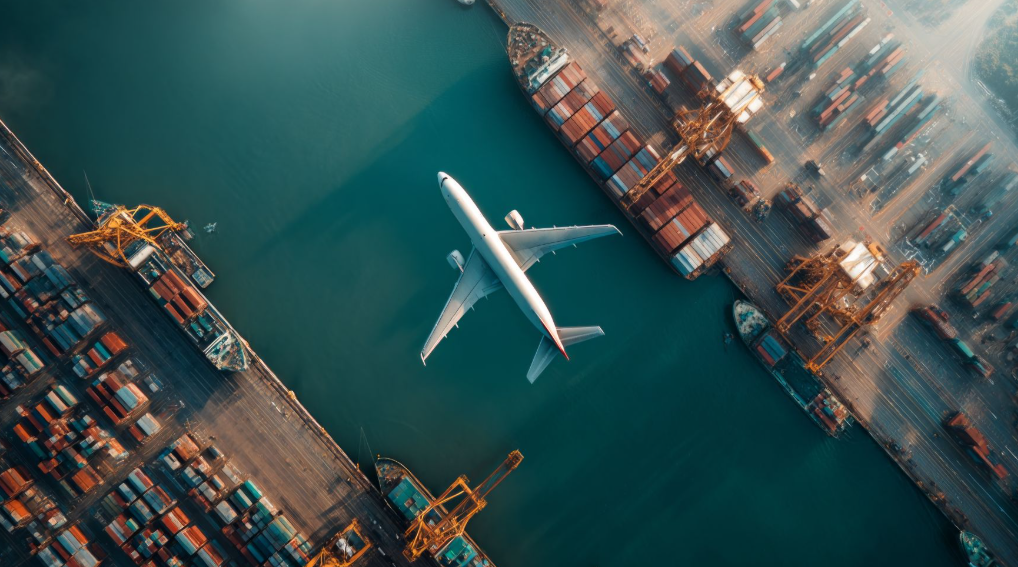
AI-infused warehouse management systems, for example, improve workflows by predicting inventory and optimizing floor plans to make picking and packing routes more efficient. Similarly, global ocean freight service providers use AI to forecast container availability and maximize load planning. The platform also helps you predict and understand the impact of delays on costs and delivery windows, particularly when larger shipments are forced to reroute.
Dynamic Pricing
Shipping break-bulk cargo in the past involved calling multiple carriers and waiting for hours or days just to get a quote. Manual freight rate adjustments can be challenging because the logistics sector faces volatile demand and costs. Companies must factor in fuel surcharges and associated risks.
With AI help, though, companies can set prices instantly using real-time data and predictive algorithms to study market conditions. Users can also rest assured that they get the best vessel for their specific needs.
Capacity Matching
After booking, AI assists carriers in allocating space on specific vessels. It recommends the best ways to load the ship, for instance, by using high-cube containers for oversized cargo. Its analytics capability calculates the cubic meter or CBM capacity to determine a cargo’s space requirement and cost. This method is particularly useful in Less-than–Container Load or LCL sea freight, where many shippers share the space in a single container ship.
Better On-the-Sea Operations
Here’s something that you probably haven’t heard of until now: the Internet of Ships (IoS). It’s IoT (Internet of Things) applied to the maritime world, where every vessel has sensors and cameras that collect real-time data on its performance. The said data is transmitted via satellite communication to onshore control centers, so the latter can track and provide assistance.
Such advanced systems use AI to analyze data and learn from it, making it invaluable in making every trip smooth sailing.
Enhanced Safety and Security
Smart cameras and access controls, alongside constant monitoring, prevent unauthorized entry. AI can predict irregularities and deviations from the planned route. When it comes to external threats, it alerts the crew to any high-risk situations, such as violent weather and geopolitical risks, while recommending the safest routes with the lowest cost.
Route Optimization
Oceans have become more unpredictable in recent years due to climate change. Sea levels are rising, and storms and marine heat waves are becoming more intense. Add piracy into the mix, and you get a trifecta of costly threats.
The good thing about AI-driven IoS is that it constantly feeds real-time data on currents and weather. It can also alert ships to potential security threats and analyze congestion in major ports, after which it provides timely suggestions to minimize transit times without compromising security.
Operational Efficiency
By automating the collection and analysis of the vessel’s performance, operators have a clear understanding of energy usage and fuel consumption. They can easily adjust their speed to maximize performance while reducing their carbon footprint.
Proactive Maintenance
Sensors continuously track critical components. These devices notify you of any performance shifts before they cause a breakdown. It’s best to adopt proactive maintenance instead of waiting for pre-scheduled checks or fixing broken parts at sea.
AI technology removes the guesswork and provides cost-effective solutions to the unpredictabilities that are deeply embedded in the logistics industry. It has set a new gold standard in the sector, with its market value set to reach USD$ 134.26 billion in 2029. This figure is more than five times its 2024 value, pegged at USD$ 24.19 billion.
Documentation and Compliance Automation
The volume of paperwork in global shipping can be impressive, making it vulnerable to human mistakes. Overlooking a small detail or a typo error can lead to delays and hefty fines.
The platform uses technologies to automate compliance and validation processes, including filling up forms and scanning them for uploading and submission. It can also cross-reference against a massive database of regulations for various countries and flag potential issues before the ship leaves the port.
Enhanced Customer Satisfaction
Nothing makes a customer more anxious than a shipment seemingly disappearing into oblivion. AI fixes this by allowing customers to receive real-time updates. This visibility means you can inform them of potential delays and provide more accurate arrival times. As such, companies aren’t just moving cargo but are delivering transparency that enhances customers’ digital experiences.
It’s an Augmentation and Not a Replacement
Artificial intelligence is helping the supply chains respond and adapt to the ever-changing industry. This newfound capacity enables freight forwarders and other actors to operate with greater clarity in an industry that has historically thrived on uncertainty.
AI is reshaping the daily realities of such companies, from how they forecast the demand to the way they move heavy shipments across oceans. Even so, logistics is still a relationship business. While AI eliminates labor-intensive and error-prone tasks, it’s unlikely to replace an experienced freight forwarder who has navigated trick situations for years.