
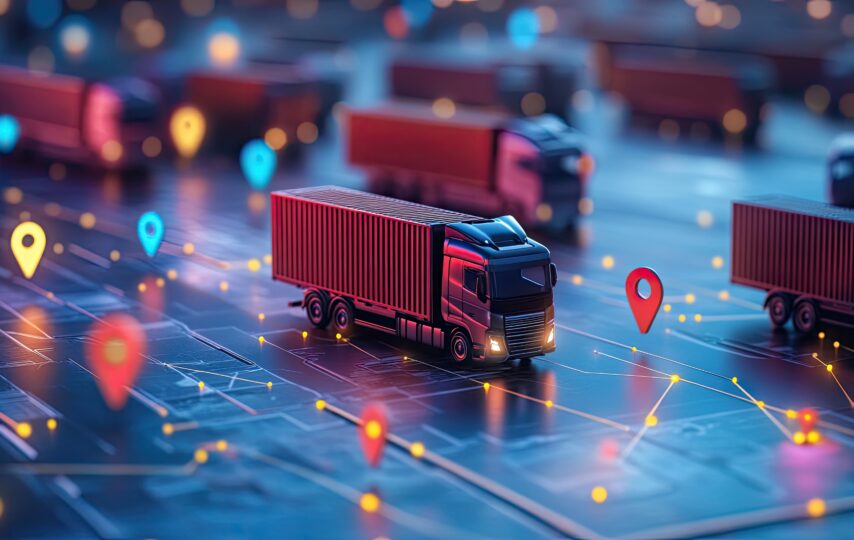

Running a business that relies on vehicles, whether they’re delivery vans, heavy construction equipment, or a whole logistics fleet, is incredibly complex. Think about it: you’ve got thousands of dollars in assets constantly moving, fueled by a team of drivers and guided by a mountain of decisions. Relying on old school paper logs and driver check-ins just doesn’t cut it anymore.
That’s where GPS fleet tracking steps in. It’s a dynamic, smart technological ecosystem that’s completely changing the way companies manage their operations, making every trip smarter, safer, and ultimately, more profitable. Below, see how this indispensable technology actually works.
The Technology Under the Hood
So, what exactly is happening when your fleet vehicle’s location pops up on a manager’s screen? It all comes down to a clever combination of global satellites, ground control, and a compact fleet tracking device wired into your vehicle.
The foundation is the Global Positioning System (GPS) itself, which is a network of satellites orbiting the Earth. These satellites are constantly broadcasting precise time and location data. The small tracking device installed in your vehicle acts as the receiver, typically connecting through the OBD II port for seamless integration with the vehicle’s onboard systems. It picks up signals from at least four satellites and uses a mathematical process called trilateration to pinpoint its exact coordinates (latitude, longitude, and elevation) down to just a few feet. Many systems also include a backup battery to ensure continuous tracking even if the main power source is disconnected.
But here’s the crucial part: it doesn’t just know where it is; it immediately tells someone. This raw location data, along with vital details like speed and engine performance, is instantly relayed via the cellular network (4G or 5G) to a secure, cloud-based platform. Your fleet managers then access this platform through easy-to-use GPS monitoring software, where that raw data is transformed into real-time data and actionable intelligence. It’s instant, it’s accurate, and it forms the backbone of modern fleet operation. Additionally, trailer & equipment tracking capabilities extend this visibility beyond just vehicles to all your valuable assets.
To truly harness the power of this technology and translate instant, accurate data into optimal performance, profitability, and safety, selecting a reputable and innovative vendor that provides a comprehensive and reliable fleet tracking solution is paramount for achieving the best operational results.
Driving Smarter
For a business owner, efficiency translates directly into profitability, and this is where a GPS fleet tracking system earns its keep. It provides the fleet visibility needed to eliminate the tiny wastes that add up to major expenses.
Take fleet routing, for instance. Instead of relying on a driver’s intuition or a fixed route that was planned a month ago, fleet tracking systems look at live traffic, road closures, and even the weather. They instantly calculate the quickest, most efficient path to the next destination, and if a last-minute job pops up, the system knows exactly which driver is closest and best equipped. This dynamic planning immediately reduces the total miles driven, which is the single biggest factor in cutting fuel costs.
Furthermore, a fleet tracker monitors pesky habits like excessive idling. We all know sitting still with the engine running is a pure waste of fuel and causes unnecessary vehicle wear. By flagging these incidents, managers can coach drivers and enforce policies that prioritize efficiency. Essentially, this system gives you a detailed, digital report card on every asset and every trip, allowing you to fine-tune operations for maximum uptime and minimal expense.
Driving Safer
The technology’s impact on fleet safety is arguably even more valuable than the cost savings. Modern vehicle tracking systems are packed with sophisticated telematics (sensors, accelerometers, and gyroscopes) that record and interpret movements. Advanced systems now incorporate smart cameras and AI dash cam technology to provide visual context alongside the data.
These systems are always monitoring for high-risk driver behavior like harsh braking, aggressive cornering, and rapid acceleration. When these events occur, the system triggers immediate alerts. By identifying drivers who need guidance, companies can address poor habits before an accident happens. The result would be safer drivers, fewer collisions, less vehicle downtime, and the potential for lower insurance rates.
Security through asset tracker functionality is also dramatically improved. Features like geofencing allow a manager to draw virtual boundaries around key locations, like the company yard or a construction site. If a valuable truck or piece of equipment moves outside that designated area during off-hours, the system sends an instant alert. This rapid notification drastically increases the chances of recovering stolen assets. Plus, in the event of an accident, the precise, time-stamped speed and location history of the vehicles is invaluable for accurate reporting and liability defense.
The Future: Predictive Fleet Intelligence
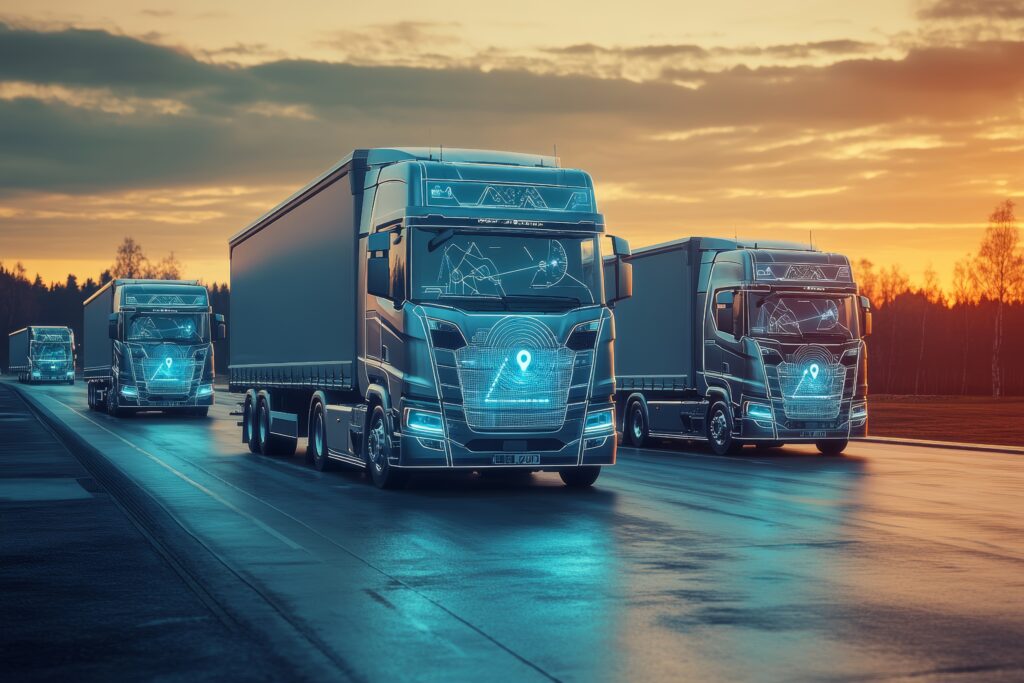
The evolution of real-time GPS fleet tracking isn’t slowing down. We’re already moving beyond simply reporting on what did happen, to predicting what will happen, thanks to artificial intelligence (AI) and machine learning (ML). These smart systems, often backed by responsive customer support teams, are now analyzing patterns in vehicle data, such as engine performance, temperatures, and error codes, to provide predictive maintenance alerts.
Through AI-powered insights, fleet managers gain unprecedented understanding of their operations. Instead of waiting for a breakdown to happen (which is costly and causes missed deadlines), a fleet GPS tracker might tell you a specific vehicle is likely to experience a battery failure or a tire pressure issue next week. This shift to proactive maintenance dramatically reduces expensive downtime and keeps the business flowing seamlessly.
Conclusion
So, after looking at all of this, what’s the takeaway for your business? It’s simple: GPS fleet tracking has evolved beyond just being a way to pinpoint a truck on a map. It’s become the indispensable platform that feeds your company real operational intelligence. By taking raw data from space and translating it into practical information about efficiency, driver safety, and asset longevity, this technology allows businesses to master their fleets.