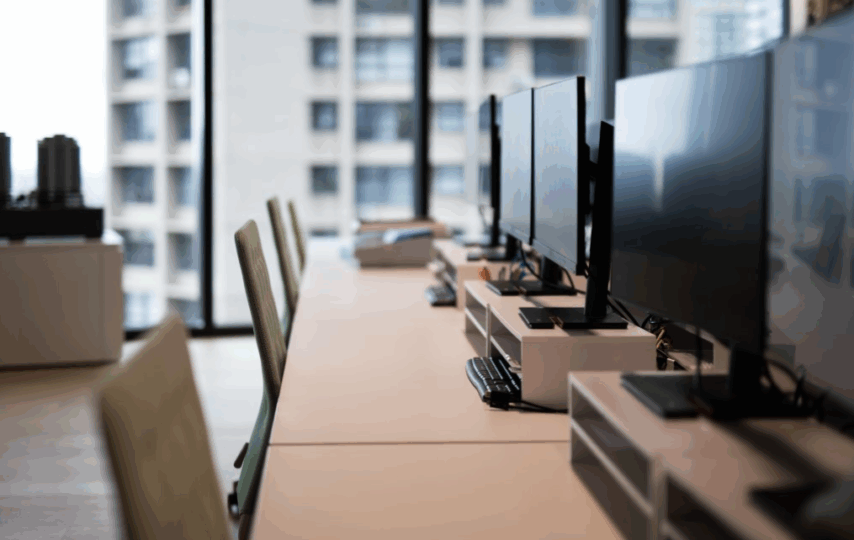

Smart tools now do much more than just add convenience. Offices depend on devices that adapt and support healthier work habits. These tools make workplaces feel more flexible and responsive. If you want new ideas, smart office devices are changing how we work in unexpected ways.
Smarter Workflows
Smart office devices bring a new layer of ease to daily routines. Office technology can shift brightness based on movement or task intensity. Desks can modulate lighting or noise controls for focus periods. Small adjustments like that cut down interruptions and make it easier for people to stay focused on their tasks.
Some devices learn how each person works. For example, a desk hub can tell when someone switches from planning to deep work and quietly changes the environment. A keyboard that notices strain can suggest taking a break. Smart technology gives more personal help than just scheduled reminders.
Smart tools that do several jobs at once help busy offices run better. For example, a good multifunction printer makes work flow more smoothly. These smart printers connect to cloud services and handle printing, scanning, copying, and faxing with ease.
Meeting rooms with small automations can get ready before people arrive. Workstations can set up your favorite layout when they sense your badge or that you are nearby. Smart offices have fewer delays and a more steady pace.
Connected Workspaces
Modern offices use connected systems to make moving and planning easier. Tools help staff quickly find open rooms or equipment. Indoor location features guide people to free desks without wasting time. Ergonomic designs also make shared spaces more comfortable.
Adjustable desks, meanwhile, can change height or tilt automatically when they recognize you. Some chairs notice your posture and adjust support to fit your habits. These features also make conference room changes feel easier.
When devices work together, connected workspaces help keep things. Staff can go from one area to another without losing their favorite settings or comfort. Smart office technology brings all these experiences together, especially as hybrid work grows.
Sensor-Driven Decisions
Smart office devices thrive when paired with strong sensors. Environmental sensors reveal trends that a quick glance might miss. Temperature, humidity, and occupancy readings reveal airflow or layout needs. Managers refine spaces with IoT-enabled office equipment and facial recognition.
Device-level analytics support better planning throughout the week. Printers can display document surges that indicate inefficient routines. Air devices can catch subtle changes in quality before discomfort spreads. IoT segmentation sharpens insights, improves space utilization, and supports stronger energy efficiency planning.
Smart bins with sensors can track how supplies are used. Storage cabinets can measure access frequency and reorganize items based on real demand. Offices gain structure when smart lighting works with other systems to read occupancy patterns.
Intelligent Meeting Tools
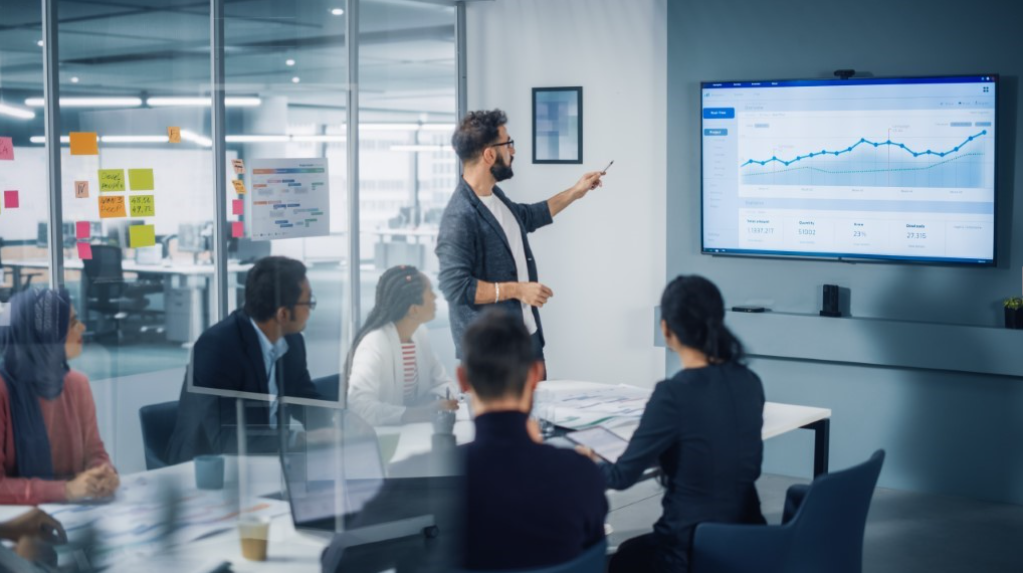
Meeting rooms get a big boost from smart office devices. Screens can show project files as soon as a group enters. Cameras that adjust on their own make hybrid meetings run more smoothly. Smart thermostats and connected office equipment help meetings start on time with fewer problems.
Audio tools have improved, too. Microphones can follow speakers without needing to be moved. Smart boards can read handwriting more accurately, making brainstorming sessions better. Smart locks add security, and communication tools help everyone hear clearly.
Some systems can also track how conversations go. Tools can make summaries that focus on what needs action. Shared screens can change layouts for a standing presenter or a group sitting down. Smooth meetings improve employee productivity get more done and boost the office landscape.
Energy-Conscious Offices
Smart office devices help save energy while keeping people comfortable. Cooling systems can change settings based on how many people are around, not just a set temperature. Smart blinds can block glare or heat to keep rooms cool. Daylight is managed better when paired with data storage systems that track usage patterns.
Power savings also come from how devices are used. Smart systems can learn when to turn off standby power. Condition monitors can spot wear early, helping equipment last longer. Remote work setups benefit when the system manages efficiency automatically, without extra work.
Comfort gets better with small automated changes. Airflow can fix hot or cold spots in shared areas. Lighting can change color to fit morning or afternoon work. A modern office feels more balanced when comfort settings adjust smoothly all day.
Enhanced Security Tools
Security tools are now more advanced. Smart badges can control access by time or place. Connected devices can match movement data with digital logs to help with quick checks. Smart sensors make safety stronger in a way that feels both subtle and reliable.
New types of security devices keep coming out. Screens can blur their content if they sense someone who should not be there. Storage units can unlock based on how people act, not just with a code.
Predictive alerts further strengthen safety. Sensors can identify unusual after-hours motion. Tamper-responsive systems can detect subtle hardware interference before major issues occur. Smart office devices enrich security layers across entire buildings.
Adaptive Work Support
Workplace well-being improves with adaptive tools. Smart headphones can change sound settings if they sense stress. Desk surfaces can notice pressure and help people keep better arm and wrist positions.
Assistive features are getting better, too. Voice systems can understand special terms for different industries and answer correctly. Some tools learn how fast you like to work and give gentle reminders to keep a good pace.
Physical support devices are always improving. Hydration reminders can change how often they alert you based on temperature or movement, helping you stay energized. Footrests or cushions can adjust support based on your posture. Staff enjoy these quiet boosts to comfort.
Wrapping Up
Smart office devices are advancing fast and changing what people expect at work. These tools improve workflows, make offices more comfortable, and help cut down on waste. Their impact goes beyond convenience and helps offices meet real needs more accurately.