

Google Fit is, in many ways, a capable companion, though it does not meet the needs of every person who picks it up. I have used it long enough to value the straightforward manner in which it reports my daily steps and the distance they cover. It also allows me to note my weight, measure the energy I’ve spent, and look back over the small archive of my past activity.
Yet the app is pared down to such a degree that much is left out. As with many tools bearing Google’s name, its simplicity is both its virtue and its failing. There are no social avenues by which one might follow a friend’s progress, nor any competitive boards to lend the work a spark of play.
5 Top-Rated Alternatives to Google Fit for Better Tracking & Motivation
If your purpose is to gain strength or build muscle, Google Fit offers little help. It provides no detailed account of training sessions, nor any way to record the food that fuels them. So, if Google Fit no longer answers your needs, the wiser course may be to turn to one of several other apps, five in particular, that better suit different ambitions.
1. MyFitnessPal – For Diet-Focused Users Who Want Precise Calorie & Macro Control
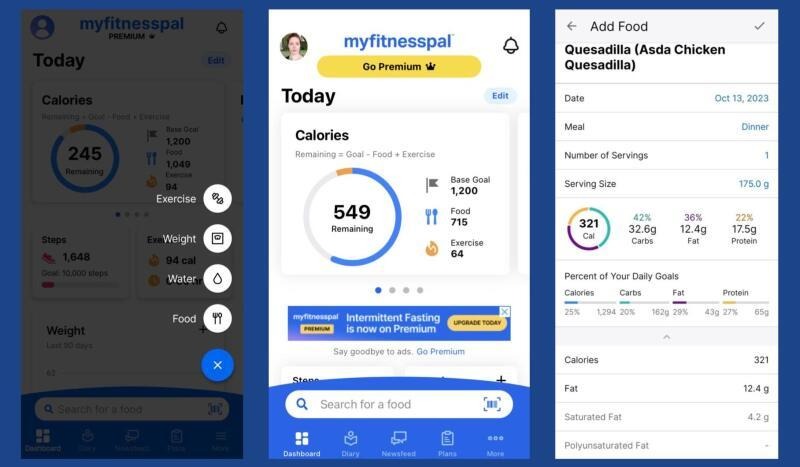
If your aim is to shed a few pounds, or to put them on as part of a deliberate bulk, this app is far better suited to the task than Google Fit. Google’s tool concerns itself chiefly with movement, counting steps and little more, while MyFitnessPal is rooted firmly in the matter of food.
When you first create an account, you must set down your present weight, the figure you hope to reach, and the pace at which you wish to lose or gain. The app then works out the daily calorie limit you ought to follow. From that point on, you simply record each item you eat, and by the end of the day you can see plainly whether you have kept to the mark or strayed beyond it.
The rule of “calories in and calories out” remains the foundation of weight control, and unless you keep an honest record of what you consume, you may find your efforts in the gym undone by your habits at the table. One cannot, as the saying goes, outrun a poor diet, and this is what makes a tool like MyFitnessPal so useful. To unlock all its features, however, you must pay for a yearly subscription, which stands at roughly $80.
2. Strava – Great social features
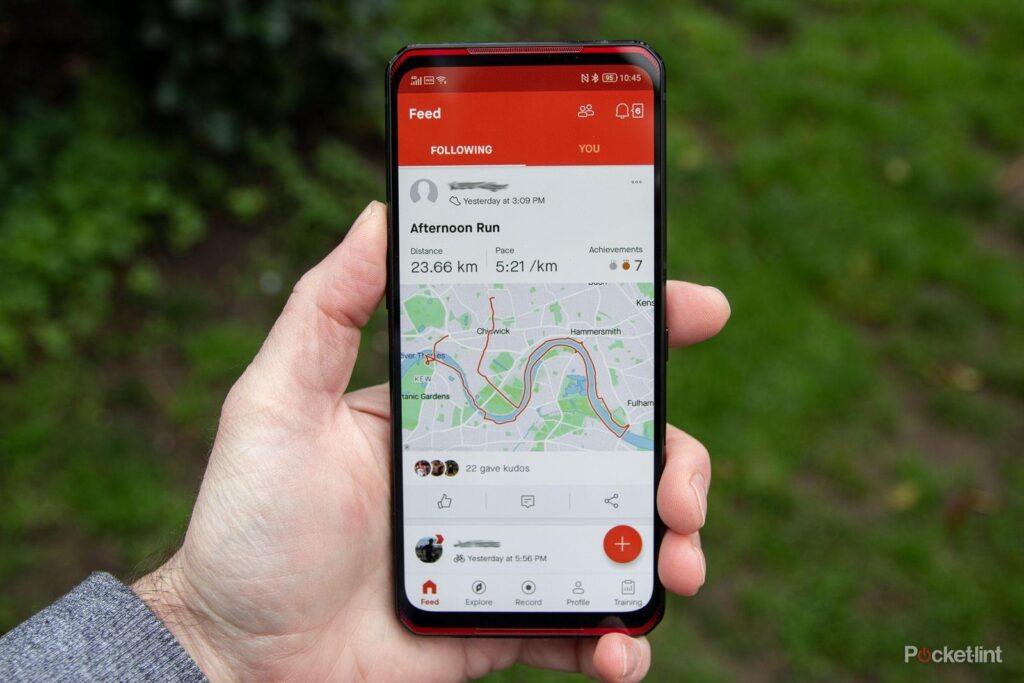
One might say that Strava is less a fitness tool than a kind of social square dressed up in athletic colours. Its chief purpose is the sense of community it fosters, letting you see the exertions your friends have undertaken and offering you the chance to display your own. You may leave remarks, acknowledge someone’s effort with a small token of praise, and, in doing so, find a measure of encouragement.
The app is built chiefly for those who rely on GPS to guide their pursuits such as cyclists, runners, walkers, and anyone who spends long hours tracing paths across open ground. There are groups you may join, formed around particular sports, regions, or shared interests. There are also challenges set out for anyone willing to test themselves. In all, the app can follow more than forty types of activity, and it connects readily with the familiar range of devices from the major makers.
Strava costs nothing to begin with, though a few of its more useful features lie behind a paid tier. Among these is the route tool, which lets you plan new paths or draw on the store of routes created by others – useful whether you prefer a quiet walk or a long day on a bicycle. You may devise your own routes as well and share them in turn. The annual subscription rests at roughly $80.
3. Samsung Health – A Complete Wellness Ecosystem for Android Users
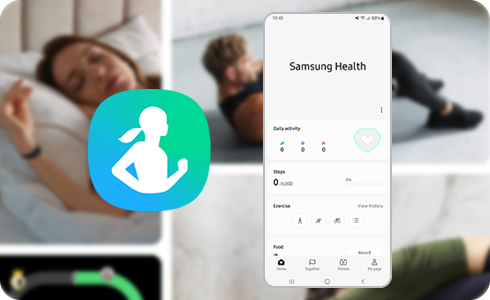
Samsung Health stands as a closer rival to Google Fit than Strava ever does, yet it carries a degree of refinement that Google’s own app lacks. It is worth noting that the full breadth of its abilities is unlocked only for those who use a Galaxy phone or watch, though it functions well enough on other Android devices.
It offers the usual tally of steps and calories, but it also allows you to record your meals and the water you drink. I find the latter particularly valuable, having lately realised how seldom I take in as much as I ought.
Those who own certain Galaxy Watch models gain further advantages, among them the power to measure body fat and other markers through the built-in BioActive sensor. Its sleep-tracking system is also more sophisticated, providing tailored guidance based on the patterns it observes over time.
4. AllTrails – Advanced Trail Maps & Offline Navigation
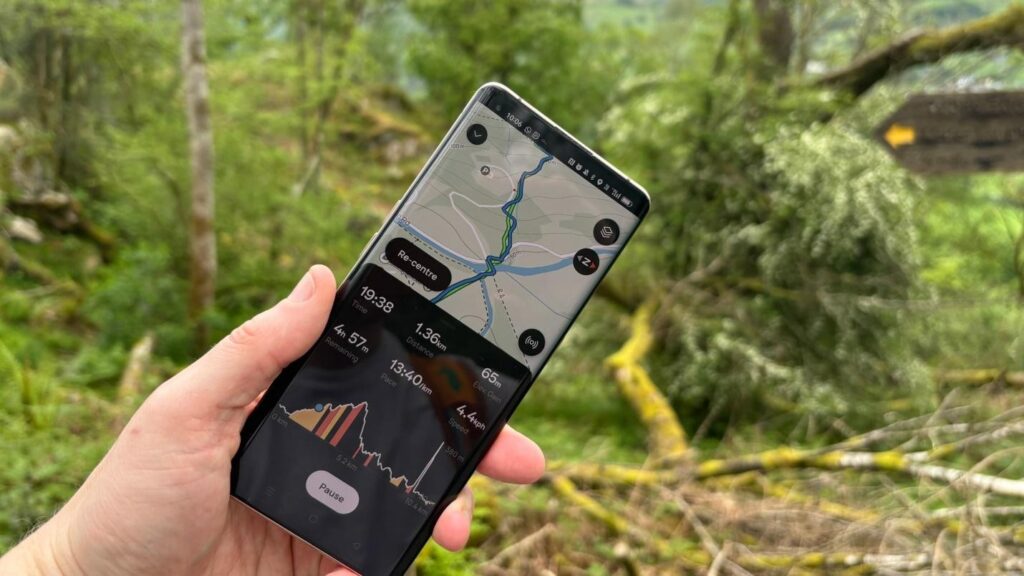
If you feel the urge to leave the pavement behind and take to the hills, AllTrails will serve you well. It allows you to discover suitable paths with little effort, supplying the essential facts like how steep the climb will be, how long the route runs, and how much time you should expect to spend on it.
A useful feature is the ability to download routes for use when you have no signal, though this privilege sits behind a paid tier. You may alter a path if you wish to wander off course, or even draw up an entirely new one of your own. Each trail carries a rating, giving you some sense of what awaits before you set out.
You can sift through the trails with ease, narrowing your search to those that promise sweeping views or those that carry you deep into the woods. The filters are numerous enough to help you pinpoint precisely the sort of outing you have in mind. There is also a small community element, letting you follow friends and see which routes they have explored of late.
5. Hevy — Strength Training Companion
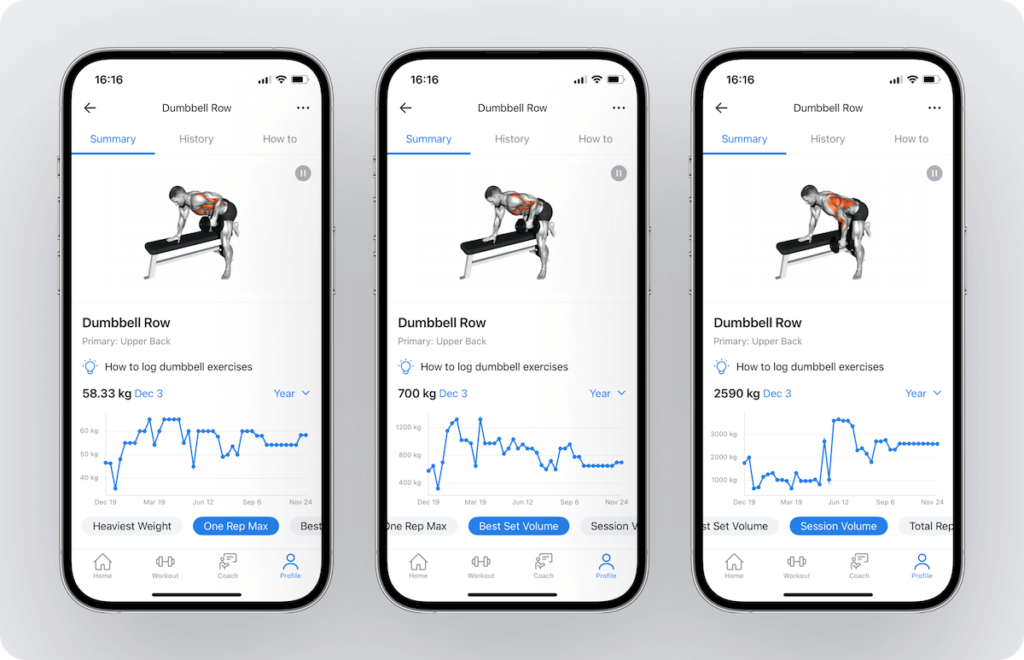
If weightlifting is your chief concern, Hevy is the strongest contender among these apps. It allows you to draw up your own training scheme from a wide range of exercises already built into the system and to follow your progress with some precision. You may record sets, repetitions, the weight you’ve used, and other details, and then watch how your numbers change over time. Should you prefer not to devise your own plan, there are ready-made programs waiting for you.
The app is also well suited to tracking changes in your body. You can enter the measurements of your arms, waist, and other parts at regular intervals, then see plainly whether you are growing or shrinking according to your aims.
Like Strava, Hevy includes modest social features, letting you keep an eye on friends and the pace of their training. The app is free to begin with, though the no-cost version comes with limits—among them the ability to create only four routines. To unlock everything, you must pay for a subscription, which costs about $24 a year.
Conclusion
Ultimately, it is quite comparable to picking a running partner: what is a fit with one individual might be the bane of another. The minimalist nature of Google Fit is in the service of people who desire nothing beyond a daily tally, as a pedometer that just so happens to reside in your phone. However, to the rest of the world, the social butterflies who need virtual high-fives, the obsessive calorie-counters, the iron pumpers, or the mountain wanderers, there is a more appropriate companion.
The great news is that you will not need to pay a penny to test most of these alternatives, but the really devoted ones will end up digging into their wallets. You are going to follow your morning walk or you are about to lift a small car, there is an app that will be ready to congratulate you, remind you when you need it, and even act like it is impressed with your performance.
FAQs
Q1: Which fitness app is most accurate for tracking steps?
The truth of the matter is that none of them are perfect, your phone will record excited arm movements as steps, and that is why playing an orchestra will be considered a marathon. That being said, applications that rely on the inbuilt sensors of your phone usually work in a similar way. Smart watches such as the Apple Watch or Galaxy Watch are more reliable, as they are closer to the action and less susceptible to being deceived by a person making a sandwich.
Q2: Can I use multiple fitness apps at once?
Yes, but whether you should is a completely different question. Having Strava, Samsung Health, and MyFitnessPal running at the same time will not make you any more fit, but will make your phone battery cry in the corner. Most apps are compatible with one another.
Q3: Are free versions of fitness apps enough, or should I pay?
The free versions are sufficiently good to start with for most individuals. The premium levels usually open up features that you were unaware of and would not likely miss – the kind of premium cable channels you subscribe to and never watch. When you really feel restricted by the free version after several months of heavy usage, then you can pay. Otherwise, spend your money on decent running shoes, which are much more important.
Q4: Do fitness apps actually help you lose weight?
Apps are not magic wands, as we would like them to be. They can assist by keeping you on track and making trends visible. However, the app is just a recorder of what you want to do.