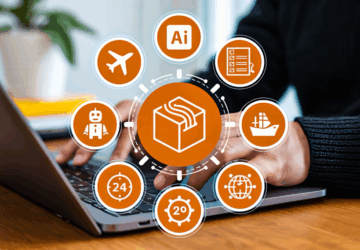


The landscape of business growth and workforce management is shaped by economic changes, technological advancements, and evolving demographics. As businesses navigate these shifts, understanding the intricate balance between financial resources and human resources becomes paramount. Organizations that excel in strategic workforce planning can anticipate future staffing needs, ensuring they have the right skills and capabilities to meet their long-term goals. A robust workforce strategy, supported by workforce analytics, is essential for adapting to these changes effectively, especially in preparing for the future workforce.
Despite the clear benefits, a significant number of HR leaders still lack a clear workforce plan, underscoring the need for strategic workforce management. Effective workforce planning is essential for identifying necessary skills and developing strategies to meet future demands. It’s not just an HR responsibility but a crucial business strategy that aligns workforce capabilities with long-term objectives.
Successful workforce planning enhances organizational agility, improves resource allocation, and mitigates risks associated with workforce changes. Aligning workforce plans with business goals creates a resilient and adaptable workforce, prepared to face the challenges of a rapidly evolving business environment.
The Role of Financial Planning in Business Growth

Financial planning is the bedrock for maintaining focus and direction as a business grows and faces challenges. A financial plan is a forward-looking document that contextualizes business goals with actual data and projections, providing a clear roadmap for success. Without it, businesses operate under uncertainty, lacking the clarity needed for strategic decisions.
A well-structured financial plan helps in several key ways:
- Manages cash flow effectively by identifying inflows and outflows, ensuring resources are allocated where they are most needed.
- Enables businesses to prioritize spending based on team needs, enhancing operational efficiency and strategic advantage.
- Facilitates risk identification, allowing companies to prepare for potential challenges and be proactive rather than reactive.
Investors often require a solid financial plan to understand a business’s growth potential and risk management strategies. Transparency in financial planning fosters trust among employees and investors, showcasing a company’s credibility and commitment to its business objectives.
For businesses seeking expert guidance, firms like GXS Capital provide valuable support in aligning financial strategies with growth goals, helping companies navigate complex markets with confidence.
Ultimately, a financial plan outlines a growth roadmap, detailing the necessary resources and expected milestones for success, helping businesses navigate their development planning and development plans with confidence.
Strengthening Workplace Dynamics for Long Term Success

Source: https://unsplash.com/photos/a-group-of-people-sitting-around-a-wooden-table-XklL9zyYa6Y
Effective team dynamics are crucial for boosting productivity and engagement within an organization. Fostering trust and open communication among team members creates a positive work environment that encourages collaboration and idea-sharing. Clear roles and mutual respect within a team significantly improve collaboration and project outcomes, leading to long-term success and a strong organizational culture.
Strong leadership plays a pivotal role in guiding teams, maintaining focus, and facilitating decision-making. Key practices include:
- Encouraging open discussions
- Addressing conflicts promptly to maintain effective team dynamics
- Recognizing and rewarding employee contributions to enhance team morale and promote a committed workforce.
Creating opportunities for collaboration and knowledge sharing can significantly improve team efficiency. An employee relations consultant can be instrumental in ensuring workplace harmony, compliance, and smooth employer-employee relations. These professionals help maintain a supportive workplace culture, fostering productivity and reducing risks of conflict, ultimately contributing to long-term organizational success and employee satisfaction.
Technology and the Changing Nature of Work
Digital tools are revolutionizing business operations, automating repetitive tasks and supporting decision-making processes. Technological advancements in workforce management systems and workforce management software enable companies to streamline their operations, reduce labor costs, and enhance overall efficiency. Leveraging HR technology helps businesses better manage their current workforce and plan for future staffing needs using workforce management tools, while hr teams play a crucial role in this transformation.
The integration of artificial intelligence (AI) and machine learning in workforce strategies allows companies to gain deeper insights into employee performance and skill gaps. These technologies not only improve operational efficiency but also enable organizations to adapt quickly to changes in the business environment, ensuring they remain competitive with AI powered workforce insights.
As companies embrace these technological advancements, the importance of outsourcing and modern workforce solutions becomes evident. Tapping into global talent and adopting scalable staffing models enhances business adaptability and agility in a rapidly evolving landscape, addressing future challenges. This transition sets the stage for exploring the growing importance of flexible workforce solutions in the next section.
The Growing Importance of Flexible Workforce Solutions
In today’s challenging economic landscape, flexible workforce solutions are essential for addressing productivity and cost concerns. Amidst rising living costs and burnout, many employees feel their employers are indifferent to their needs, highlighting the necessity of flexible work arrangements. Companies that focus on workforce flexibility can enhance employee engagement strategies, enhancing employee engagement, employee sentiment, employee well being, and labor laws, balancing individual autonomy with organizational efficiency to promote a positive work life balance.
A flexible workforce can significantly enhance an organization’s adaptability to changing market demands. Providing a variety of benefits tailored to diverse employee needs can improve employee retention rates and job satisfaction. Technology advancements are making it easier for organizations to implement personalized benefits for employees, aligning their offerings with corporate values and employee expectations.
Virtual assistants exemplify how businesses are streamlining workflows, reducing costs, and staying agile by tapping into global talent. These scalable staffing models allow companies to address unique challenges posed by a multigenerational workforce, ensuring they remain competitive and efficient in a rapidly evolving business environment while also seeking to automate routine tasks.
Balancing Innovation with Human Capital
In the GenAI era, unique human traits like creativity and empathy offer companies a competitive edge that technology cannot replicate. Companies need to prioritize human capabilities over mere workforce capacity to drive innovation and success. Investing in employee growth and fostering a culture of innovation are crucial for leveraging human capital effectively.
The successful integration of GenAI should focus on enhancing human skills rather than replacing the workforce. Incorporating diverse thoughts and experiences helps organizations address challenges in the GenAI landscape more effectively, ensuring a balanced approach to technological and human advancements.
Balancing innovation with human capital involves aligning workforce planning with strategic initiatives, ensuring that employees are equipped with the right skills to meet future business needs. This synergy between financial capital, workforce flexibility, and strong employee relations forms the pillars of modern growth, enabling businesses to thrive in a competitive environment.
Conclusion
Sustainable business transformation growth requires a blend of smart capital strategies, effective workforce relations, and innovative compliance management workforce solutions. Companies that adopt a strategic approach to financial planning, performance management, and continuous improvement are better positioned for future growth in today’s competitive environment, according to business leaders.
By balancing financial resources with human capital, enabling organizations can achieve long-term success and remain competitive in a rapidly evolving business landscape. Modern organizations can benefit from this approach as well.
Frequently Asked Questions
Why is financial planning important for business growth?
Financial planning is crucial for business growth as it delivers a structured approach to managing cash flow, mitigating risks, and anticipating challenges. This proactive strategy enables businesses to navigate uncertainties effectively and achieve long-term success.
How does workforce planning contribute to organizational success?
Workforce planning significantly contributes to organizational success by optimizing personnel deployment and aligning workforce capabilities with long-term business objectives, thus balancing labor costs with operational efficiency.
What role does technology play in modern workforce management?
Technology plays a crucial role in modern workforce management by streamlining operations, reducing labor costs, and enhancing efficiency, which enables companies to swiftly adapt to changes in the business environment. Adopting advanced workforce management systems is essential for improving organizational performance.
Why are flexible workforce solutions important?
Flexible workforce solutions are crucial as they improve employee engagement and well-being while enabling businesses to efficiently adapt to shifting market demands. This balance fosters both individual autonomy and organizational effectiveness.
How can companies balance innovation with human capital?
Companies can effectively balance innovation with human capital by prioritizing employee development and fostering a culture of innovation, ensuring that technological advancements enhance rather than replace human capabilities. This approach not only empowers employees but also drives sustainable growth.