
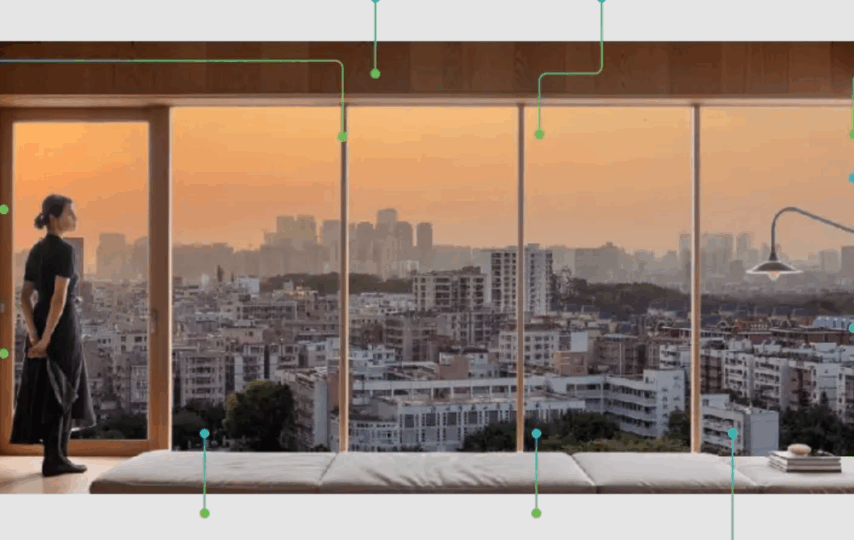

As India faces rising temperatures and increased urbanisation, energy efficiency in homes and buildings is no longer a luxury; it’s a necessity. One solution gaining traction among eco-conscious architects and homeowners is passive cooling design. This approach utilises natural elements, such as shade, cross-ventilation, and thermal mass, to maintain cool interiors without relying heavily on air conditioning. At the heart of this strategy lies a surprising hero: aluminium doors.
Modern aluminium doors and windows design is not only sleek and stylish, but also highly functional in aiding temperature regulation. With the right placement and specifications, aluminium doors can play a vital role in achieving a well-ventilated, thermally comfortable space that supports sustainable living.
Let’s explore how aluminium doors are transforming the way we think about climate-responsive architecture in India.
How Aluminium Doors Contribute to Passive Cooling Design?
1. Thermal Regulation with Minimal Heat Gain
It is critical for aluminium windows to be manufactured with specialised techniques to insulate the interior from cold winds during winter and to regulate interior temperatures during high summer. This is where double or triple glazing and specialised low-E glass helps in thermal regulation and minimal heat gain.
Why It Matters:
- In cities like Delhi, Hyderabad, or Ahmedabad, where summer temperatures can cross 45°C, reducing direct heat ingress through doors is crucial.
- Casement doors and sliding systems with double glazing can help prevent your home from becoming a greenhouse.
By choosing high-quality aluminium doors and windows with proper insulation and seals, homeowners can maintain indoor comfort and reduce their reliance on air conditioners, thereby lowering electricity bills.
2. Supporting Cross-Ventilation and Airflow
One of the core principles of passive cooling is natural cross-ventilation, where air flows through the building from one side to the other, allowing for a more comfortable indoor environment. Aluminium doors, especially sliding and French styles, can create large openings that facilitate this airflow.
Design Considerations:
- Placement: Position aluminium doors opposite windows to create a wind tunnel effect.
- Size: Larger aluminium doors allow more air exchange, especially in open-plan designs.
- Integration with Screens: Pairing doors with mesh or louvres allows air to pass while keeping insects out.
Sliding soundproof doors are now available with specialised seals that allow for ventilation when desired while blocking heat and noise when closed.
3. Reflectivity and Light Control
While designing aluminium doors and windows, controlling sunlight is crucial for reducing indoor heat gain while still allowing natural light to enter. Aluminium, with its naturally reflective surface, can be treated to enhance these properties.
Benefits:
- Reflective Coatings: Powder-coated aluminium reflects solar radiation, especially when painted white or other light colours.
- Glazing Options: Glass in aluminium doors can be tinted, laminated, or low-E coated to manage solar gain.
- Overhangs and Shading Devices: Aluminium doors and windows design can incorporate external louvres or pergolas to shade openings during peak sunlight hours.
This helps reduce the “hot box” effect seen in older glass-door designs, especially in west-facing homes in hot climates.
4. Airtightness and Energy Efficiency
Passive design aims to minimise uncontrolled air leakage. A poorly sealed door can let in hot air, increase humidity, and negate the benefits of thermal insulation. Aluminium doors, especially those from reputed manufacturers, are known for their tight sealing systems.
What to Look for:
- Multi-point locking: Ensures the door shuts evenly across the frame.
- High-quality gaskets: Modern soundproof doors use EPDM or silicone seals for better acoustic and thermal insulation.
These features not only contribute to passive cooling but also keep unwanted urban noise out, ideal for homes in crowded cities like Mumbai or Bengaluru.
5. Durability and Low Maintenance in Harsh Climates
India’s varied climate, ranging from the salty coastal air in Chennai to the dry heat in Jaipur, demands materials that can withstand extreme conditions. Aluminium doors are corrosion-resistant and can be anodised or powder-coated to last for decades with minimal care.
Passive Cooling Advantage:
- Doors that warp, swell, or degrade over time (like wood) compromise the airtightness and insulation of a home.
- Aluminium, on the other hand, retains its shape and finish for years, ensuring your passive cooling design remains effective.
Moreover, a quick search for “aluminium doors near me” will reveal a growing number of Indian manufacturers offering locally-made, climate-responsive solutions.
6. Smart Integration with Passive Design Strategies
Modern architecture is blending aesthetics with sustainability, and aluminium doors fit beautifully into this narrative. Their minimal frames and versatile forms allow architects to create:
- Shaded verandas with sliding glass doors
- Cross-ventilated hallways with double-leaf casement doors
- Indoor courtyards with bifold systems that open completely
With innovations in aluminium doors and windows design, passive strategies no longer mean compromising on luxury or style.
7. Acoustic Comfort in Hot and Noisy Areas
In bustling metropolises and semi-urban areas alike, noise pollution can significantly impact home comfort. While passive cooling addresses temperature, it must also protect from external noise.
High-quality soundproof doors made from aluminium can help:
- Keep city traffic, honking, and construction noise out
- Maintain a peaceful indoor environment without needing to keep windows shut all day
- Complement double-glazed or laminated soundproof glass
In this way, aluminium contributes not only to thermal but also to acoustic comfort, a growing concern in modern Indian homes.
Conclusion
The traditional image of aluminium as merely a lightweight, metallic frame is evolving. Today, it represents smart, sustainable, and aesthetically pleasing solutions for climate-responsive home design. For builders, homeowners, and architects working in India’s intense heat zones, investing in aluminium doors and windows design is a direct route to achieving passive cooling without sacrificing comfort or style.
From casement doors in Kerala bungalows to large-format sliding panels in Gurgaon apartments, aluminium is making its mark as a material that’s both smart and sustainable. With increasing access to local options, simply searching for “aluminium doors near me” makes adopting passive cooling strategies easier than ever.
If you’re planning a renovation, building a new home, or simply want to reduce your AC dependency, consider how aluminium doors could open the gateway to a naturally cooler, quieter, and more efficient living space.