

Military strength or Olympic medals are a thing of the past, the real power brokers today are those who can download a movie in less time than you can brew a cup of coffee. Hello to the world internet speed index, where countries do not fight each other with arms but with fiber optic cables and 5G fantasies. The best performers have found a universal truth.
You may be in the glittering skyscrapers of Dubai or in the Icelandic hamlets with glaciers all around, but one thing brings them all together and that is the scorching-fast broadband that leaves the rest of the world jealous. Want to find out who is winning the internet race? Read on.
Top 10 Countries with the Fastest Internet Speeds in 2025
1. Singapore (around 345.33 Mbps)
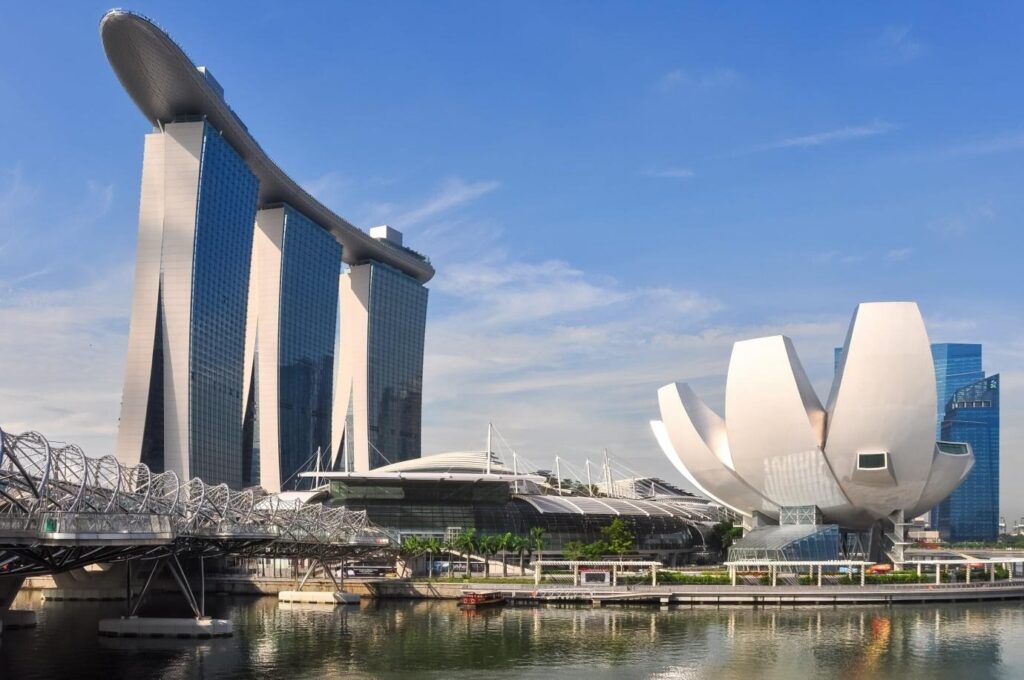
Singapore is still on top with an average fixed broadband speed of 345.33 Mbps. Its small size has not been an obstacle to its huge digital ambition. Fibre lines are woven in all the districts, connecting homes with unheard-of accuracy. Singapore has created a network that is fast and predictable, with a government that sees connectivity as a civic right and early adoption of 5G on the island, Singapore has created an infrastructure as efficient as its citizens.
2. United Arab Emirates (313.55 Mbps and Expanding)
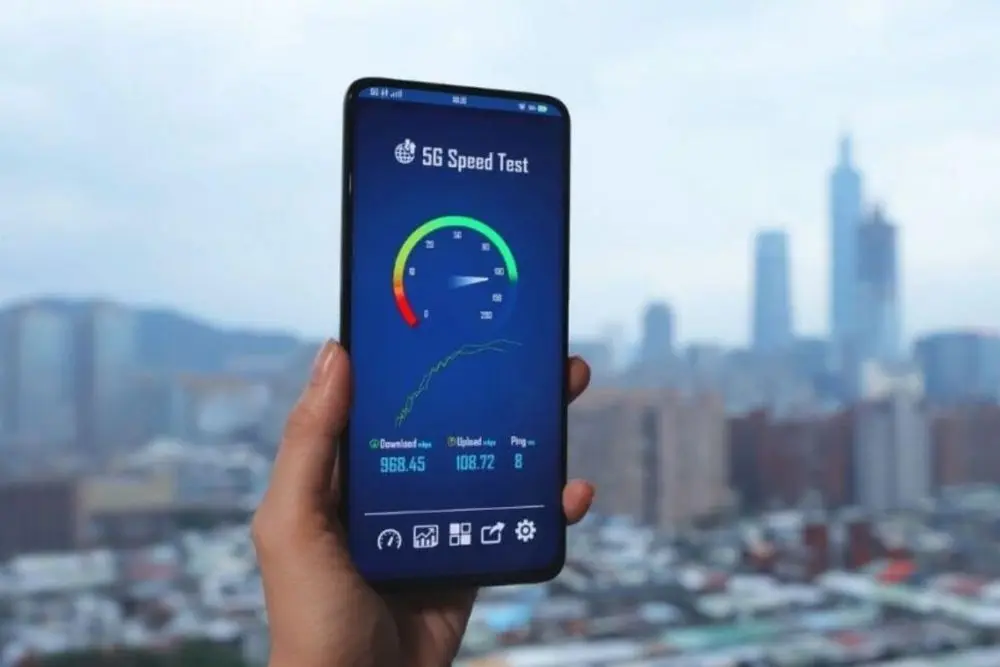
The United Arab Emirates follows at the second position with an average of 313.55 Mbps. The light of new technology is diffusing over the desert, city to city. The vision of the progress is incessant in Dubai and Abu Dhabi, backed by massive investments in 5G and urban innovation. Competition between telecommunication companies is stiff, but disciplined, which leads to higher speeds and expanded access. The country is walking with the assurance of a person who is sure that the future can be constructed with the help of will only.
3. Hong Kong (312.48 Mbps)

Hong Kong is close behind with 312.48 Mbps. It is the financial force of the city which relies on this invisible power, which is rapid, stable, and uninterrupted. Connection is easy because of its small land, and discipline and foresight are what ensure that the system runs like a machine.
4. Iceland (295.55 Mbps)

Iceland has a record of 295.55 Mbps on average and this is impressive given that it is a small and isolated country. Its web of fibres, stretched over glaciers and fjords, links villages that have been long separated by distance and weather. In this case, technology and nature are in a tense but a long-lasting truce.
5. France (290.75 Mbps)

France is at 290.75 Mbps, the fruit of years of patient effort under the Plan France Très Haut Débit. The rural world, which has once been abandoned, is now experiencing the gradual outreach of fibre of the urban centres. Paris, Lyon, Marseille are swarming with quick, systematic traffic of information, and the provinces are starting to share in the same light.
6. United States (279.93 Mbps)

The US has an average of 279.93 Mbps, which is indicative of a huge ambition and an uneven development. In the big cities, fibre lines replicate under the streets; in the expansive country, satellite broadband initiatives like Starlink helps. It is a country that is progressing, yet never simultaneously.
7. Chile (279.53 Mbps)

With 279.53 Mbps, Chile is leading South America. Fibre is used to connect homes that were just familiar with copper, all the way to the Andes to the Pacific. New submarine cables connect the country to the world and it is a route of the information and commerce of the continent.
8. Denmark (around 254.75 Mbps)
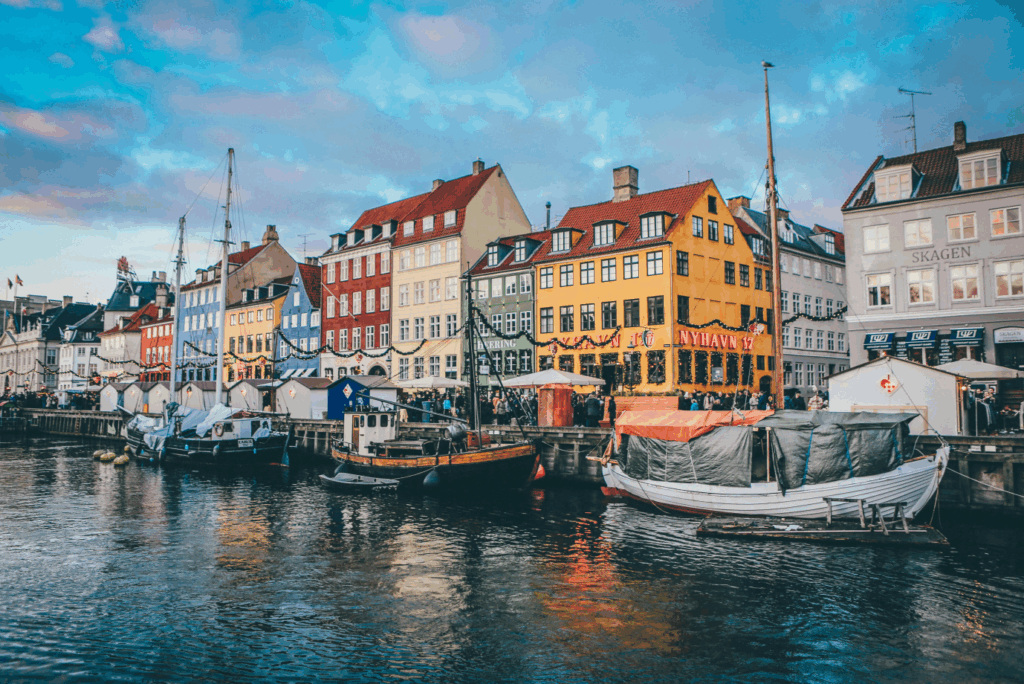
Denmark has an average of 254.75 Mbps, which is a product of continuous social work and free competition. The state has always viewed the access to the internet as a need rather than a privilege. Digital development has become a part of good governance in this small, well-organized country.
9. India (230.39 Mbps)

India is also rapidly increasing with a 230.39 Mbps in 2025. Its great cities, Hyderabad, Chennai, Bengaluru, are now flashing the light of modern connection. Fibre is scattered all over the land and cheap data has connected millions of people online. New cables are also the signs of change in the villages. The large population that was formerly restricted by distance and cost is now included in the expanding digital beat of the world.
10. Switzerland (245.39 Mbps)
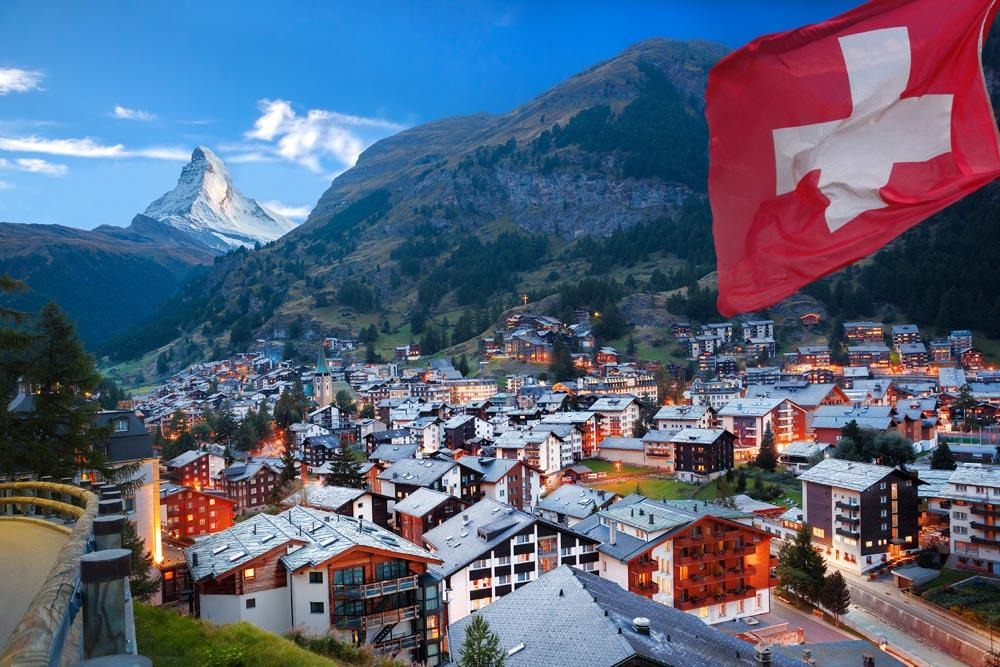
Switzerland is holding its own with 245.39 Mbps. Under its peaceful towns and silent valleys is a system of wonderful accuracy. The infrastructure is constantly being renewed ensuring that the country is connected at all borders. The consequence is an order which is so smooth and reliable that one hardly perceives its existence–an invisible clockwork, which is needed by a people who prize order above all.
Conclusion
The world internet speed rankings are like a club of exclusivity, and fiber optics the club membership fee. Singapore to the glittering digital metropolis, India to the rapidly growing tech-capitals, these countries have come to understand the simple fact: high-speed internet is not a luxury, it is the basis of modernity. It is not only who is winning, but the diversity of the winners is striking. You have island countries punching way above their weight, desert emirates putting their money where their future lives depend on it, and scrappy South American countries rocking the boat.
In the meantime, there are whole areas that are yet to have their fiber-to-the-future. The ones that have speeds above 200 Mbps are not merely browsing at a faster rate, they are creating the future. To all the rest of the buffering world, the message is easy to understand: connectivity infrastructure today is economic dominance tomorrow.
FAQs
Q1: Why is Singapore crushing everyone at internet speeds?
Singapore takes fiber optics as seriously as other nations do with national monuments. It is so small that all corners of the streets received the message about digital transformation. They have virtually converted their whole country into a server room with government support and early adoption of 5G. It does not matter how big you are when you are ambitious and have a plan.
Q2: How is India climbing the rankings so fast?
India had been transformed to “what’s broadband?” to 230 Mbps. Low-cost data, huge fiber deployment, and technology centers such as Bangalore setting fire ablaze imply that millions of people are now connected. They are showing that the size of population does not have to mean low speeds, it only requires a wise investment.
Q3 Why does the United States rank lower than expected?
The large geographical area of America is a blessing and a curse. Fiber faster than lightning is available in the coastal cities, and country districts are still waiting. The developments are occurring – only unevenly.
Q4: What about countries not on this list?
Most developing countries have infrastructure issues, lack of investment and topography that is more difficult to work with than assembling Swedish furniture. Developments are gradual but not as slow as dial-up was.