

Img Credit: pexels
Fire safety is a critical responsibility for every business, regardless of size or industry. A single fire incident can result in devastating losses—damaged property, interrupted operations, and even harm to employees or customers. Proactive fire protection strategies not only safeguard assets but also ensure compliance with local regulations and foster a culture of safety. By implementing a comprehensive approach to fire prevention and response, businesses can reduce risk and enhance resilience. Here are eight essential strategies every organization should follow to protect against fire hazards.
Conduct Regular Fire Risk Assessments
A fire risk assessment is the foundation of any effective fire protection plan. This process involves identifying potential fire hazards, evaluating the likelihood of ignition, and assessing the impact on people and property. Businesses should examine electrical systems, heating equipment, flammable materials, and operational practices that may contribute to fire risk. Assessments should be conducted annually or whenever there are significant changes to the facility or operations. The findings should inform updates to safety protocols, training programs, and emergency response plans.
Install and Maintain Fire Detection Systems
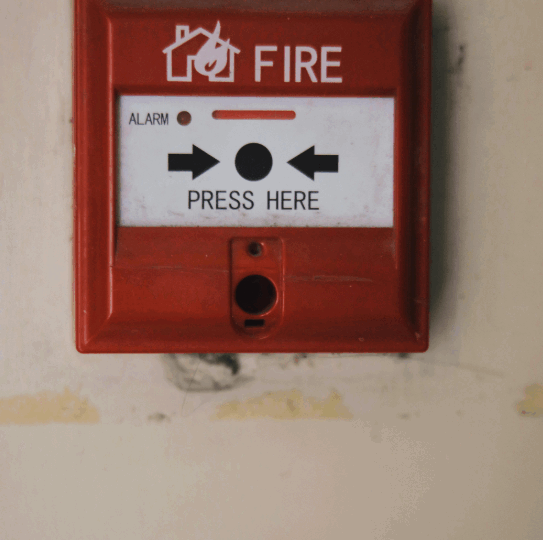
Early detection is key to minimizing fire damage. Smoke detectors, heat sensors, and alarm systems should be strategically placed throughout the facility to ensure rapid notification in the event of a fire. A professionally installed commercial fire alarm system offers advanced features such as centralized monitoring, automatic alerts to emergency services, and integration with sprinkler systems. Regular maintenance and testing are essential to ensure these systems function properly when needed. Businesses should keep detailed records of inspections and repairs to demonstrate compliance and readiness.
Ensure Proper Fire Suppression Equipment
Fire extinguishers, sprinkler systems, and fire blankets are vital tools for containing fires before they spread. The type and placement of suppression equipment should align with the specific risks present in the workplace. For example, kitchens require Class K extinguishers, while electrical rooms may need Class C units. Employees should be trained in the proper use of extinguishers and understand when it is safe to attempt suppression versus evacuating. Sprinkler systems should be inspected regularly to confirm adequate water pressure and unobstructed coverage.
Develop and Practice an Evacuation Plan
A well-designed evacuation plan can save lives during a fire emergency. The plan should include clearly marked exit routes, designated assembly points, and procedures for assisting individuals with disabilities. Businesses must ensure that all employees are familiar with the plan and conduct regular fire drills to reinforce readiness. Drills should simulate realistic scenarios and involve coordination with local fire departments when possible. Feedback from these exercises can help refine the plan and address any logistical challenges.
Train Employees in Fire Safety
Employee education is a cornerstone of fire prevention. Training should cover basic fire safety principles, hazard recognition, emergency procedures, and the use of suppression equipment. New hires should receive fire safety training as part of their onboarding, and refresher courses should be offered periodically. Specialized training may be required for roles that involve handling flammable materials or operating high-risk equipment. A well-informed workforce is more likely to respond effectively in an emergency and contribute to a safer workplace overall.
Maintain Clear Access to Exits and Equipment
Blocked exits and inaccessible fire equipment can turn a manageable situation into a disaster. Businesses must ensure that all exit routes are free from obstructions and that fire extinguishers, alarms, and sprinklers are easily accessible. Storage practices should be reviewed regularly to prevent clutter near emergency exits or suppression systems. Signage should be visible and compliant with local codes, guiding occupants to safety quickly and efficiently. Routine inspections can help identify and correct any violations before they pose a serious risk.
Store Flammable Materials Safely
Improper storage of flammable liquids, gases, or solids significantly increases fire risk. These materials should be kept in approved containers and stored in designated areas with appropriate ventilation and fire-resistant construction. Safety data sheets (SDS) should be readily available, and employees must be trained in handling and disposal procedures. Businesses should also implement inventory controls to limit the quantity of flammable materials on-site and reduce exposure. Compliance with OSHA and NFPA guidelines ensures that storage practices meet industry standards.
Coordinate with Local Fire Authorities
Establishing a relationship with local fire departments enhances preparedness and response capabilities. Fire officials can provide valuable insights during risk assessments, assist with evacuation planning, and offer training resources. Businesses should invite fire personnel to tour the facility and familiarize themselves with its layout, hazards, and access points. In the event of an emergency, this familiarity can lead to faster and more effective intervention. Ongoing communication with fire authorities also helps ensure that the business remains compliant with evolving regulations and best practices.
Conclusion
Fire protection is not a one-time task it’s an ongoing commitment to safety, preparedness, and responsibility. By following these eight strategies, businesses can create a secure environment that minimizes fire risk and supports rapid response when needed. From installing reliable detection systems to training employees and coordinating with local authorities, each step plays a vital role in protecting lives and property. A proactive approach to fire safety not only meets regulatory requirements but also reinforces a culture of care and accountability throughout the organization.