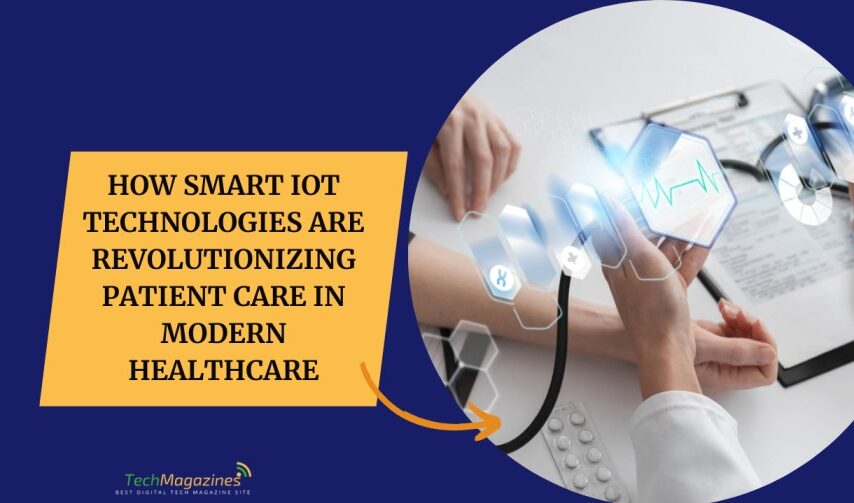

You build more than machines. You shape what comes next in healing. The world is changing—faster now. The Internet of Things (IoT) brought connection. The Internet of Medical Things (IoMT) brings purpose. Tools that speak. Beds that know. Monitors that don’t sleep. All of it working to help the sick get better and the well stay well.
Hospitals and clinics lean on this now. They trust it to make things smoother, swifter, surer. To bring answers faster. To make care fit the person, not just the chart. You make that happen. But with that comes the weight of the work. You must keep it safe. Keep it clean. Keep it ready for what’s ahead. The future doesn’t wait. And neither do those who need you.
Game-Changing IoT Devices Driving Smart Healthcare
The heart of connected care lies in the tools you build. Not just machines—but lifelines. They make work easier for the nurses. They give doctors clearer eyes. And they help the sick stand a better chance. These are the devices that count.
Real-Time Health Tracking Through Wearables
What they do: Watch over the patient, even when no one else can.
Patches that cling to the skin. Watches that know your pulse. They track the breath, the beat, the sleep. In trials and after surgeries, they send the signals. They warn when trouble is near—before it shows its teeth.
Remote Patient Monitoring (RPM) Systems
What they do: Keep the sick safe at home.
Blood pressure cuffs. Scales. Meters that test sugar in the blood. These send the numbers straight to the doctor. No visit needed. They help with the long fights—diabetes, heart failure, high blood pressure. The government sees their worth. They help people stay out of the hospital. They help people live.
Smart Inhalers and Pill Dispensers
What they do: They make people take their medicine right. Every time.
The inhaler can tell when it is used. It is aware of when it is not. The same with the pillbox. When one forgets it speaks up. Sends a note. In the case of asthma, in the case of COPD, it is also able to sense the air. It has an idea of what is in it. Smoke. Dust. Cold. It gets to know the rhythm of the fight and assists the doctor to fight back intelligently.
Connected Imaging Systems
What they do: Display the inside quick. Assist in the perception of what is wrong.
The scan is now fast. The machine transports it directly to the radiologist wherever he/she may be. AI tools see first, quickly and coldly. They indicate the shadows, the forms, the objects that are not supposed to be there. Then the physicians intervene. They are faster. They collaborate. And the patient does not need to wait that long to know the truth.
Enhancing Hospital Efficiency with Smart Infrastructure
What they do: Make the patient safer. Assist the nurses to perform better.
It senses the place of the shift of the weight. It understands whether the patient is attempting to leave or has not moved long enough. It informs the nurse. It records the story. No more speculations. No more scribbles. All the pieces fall into place. The job is more efficient. The care becomes more acute.
Why IoT in Healthcare Is Essential
Doctors are turning to smart medical devices. They see the value—in care, in time, and in money. The government sees it too. Medicare and the VA are pushing it forward, especially in the far places and for chronic care. The National Institute of Standards and Technology backs it. These new tools, this Internet of Medical Things, they are changing the fight.
More Reach – Machines carry care across the miles. Out to the farm, out past the edge of town. They let the sick stay home. They don’t have to ride in. The machines watch them.
More Precision – The devices speak with numbers. They speak with heartbeats, pressure, sugar, breath. The doctor listens. The care is sharp, made to fit the patient. Some devices, with their AI minds, can see trouble before it comes. Like the early beats of a bad heart.
More Order – Hospitals are busy. The work piles up. But the machines know where the tools are. They know what’s low and what’s full. They keep track. They save steps.
Less Return, Less Cost – If a patient falters, the device will shout. The doctor will know. They can act sooner. Pills in smart boxes remind the patient. It all keeps them from coming back too soon.
More Knowledge – The machines do not forget. They gather the days, the weeks, the years. They show the arc of a life. They give the doctor the long view. They help the researchers too. They bring truth from the real world.
Final Words
We are at the junction of technology and tenderness where algorithms are being trained to care. The Internet of Medical Things is not only linking devices; it is linking dots between patients and possibilities. Of course, your smartphone already knows more about your day-to-day steps than your mother knows about your love life, so why not your inhaler join the discussion? The true magic comes when these digital guardians do their silent vigil- keeping an eye on the patients like electronic angels with Wi-Fi wings.
They have smart beds that talk about the patient’s movements like they are gossiping, and pill dispensers that nag more than any spouse. This is the transformation of healthcare into predictive. The future of medicine is no longer limited to the healing of the sick but it is now about preventing the well to get sick in the first place. And honestly, that is a prescription that all of us can fill.