
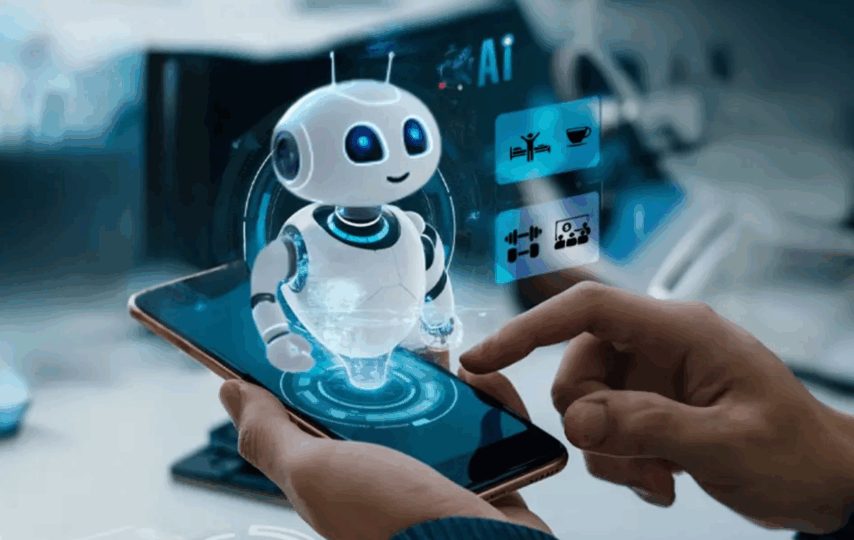

Emergency room visits are costly, stressful and often unbearable. Many of the factors that lead to acute episodes, poor sleep, elevated blood sugar, dehydration, and missed medication can be tracked days in advance. What’s changing now is how digital platforms use that information. With the rise of predictive Artificial Intelligence (AI), systems can spot early warning signs and suggest actionable steps before problems escalate. This shift is helping users manage chronic conditions more proactively and reduce their reliance on urgent care. Joe Kiani, Masimo and Willow Laboratories founder, believes this is where technology makes the most difference, not in reacting to illness, but in staying ahead of it. His latest innovation, Nutu™, uses predictive tools and user-friendly coaching to bring that idea to life.
The goal is no longer just better treatment, but fewer emergencies altogether. By combining real-time monitoring with support that understands behavior, predictive AI can intervene at just the right moment, when a gentle suggestion can reduce a downward spiral. This kind of early, invisible care builds a safety net around everyday life, reducing the need for drastic measures.
Recognizing the Early Signals
Many health crises, particularly those tied to chronic conditions, don’t happen suddenly. A drop in sleep quality, signs of burnout, skipped meals, or a steady rise in blood sugar can all indicate that the body is heading toward instability. But when those signals are scattered across different data points or missed entirely, the opportunity to proactively intervene is lost. Predictive AI platforms are designed to identify those trends early. By analyzing patterns across behavior, biometrics, and engagement, they flag risks before a person feels them.
Joe Kiani, Masimo founder, remarks, “What’s unique about Nutu is that it’s meant to create small changes that will lead to sustainable, lifelong positive results.” This focus on manageable, consistent action is what helps people stay one step ahead of potential complications, course-correcting with simple adjustments like hydration or an earlier bedtime and avoiding the need for drastic action later.
From Daily Inputs to Risk Prediction
Predictive systems don’t rely on single data points. They look at combinations of factors over time. For example, a single biometric spike might not be a cause for concern, but when paired with poor sleep and reduced movement, it could signal a higher likelihood of a health event.
Predictive AI reviews these patterns and adjusts recommendations accordingly. Individuals don’t have to interpret charts or spot changes themselves. This type of system translates risk into actionable guidance, helping people move from reactive care to proactive choices without needing clinical oversight at every step.
Reducing the Pressure on Emergency Systems
Emergency departments are overloaded. Many visits result from manageable conditions that escalate due to missed warning signs or a lack of daily support. Proactive digital support can help people respond to these signs, reducing the need for urgent intervention. It benefits both individuals and the healthcare system. By keeping people stable at home, digital platforms contribute to fewer admissions, lower costs, and more efficient delivery of care.
Keeping Users Engaged Through Relevance
For any health technology to be effective, people must stay engaged. This is achieved by making suggestions feel timely and relevant. Instead of daily reminders that fade into background noise, the most effective tools adapt to a person’s behavior. If a person has been logging low energy for several days, for example, a supportive message might offer a low-effort recovery strategy rather than a generic workout prompt. This flexibility keeps the experience fresh and keeps people connected.
A Better Safety Net for Chronic Conditions
People living with chronic conditions often face a delicate balance. One skipped dose, one high-stress week, or one change in routine can trigger a setback. Predictive platforms serve as an always-on safety net. They catch changes that people might not notice and recommend adjustments to keep things steady. That level of support helps individuals feel more confident and in control. Instead of waiting to respond to a flare-up, they learn to stay ahead of it.
Helping Clinicians Intervene Sooner
Predictive AI doesn’t replace providers, but it helps them act earlier. It organizes user trends into summaries that care teams can review between visits. If a patient’s risk profile changes, the system can flag it. Providers can then adjust treatment plans, schedule a check-in, or provide additional guidance. It improves the quality of care and strengthens the provider-patient relationship. Clinicians aren’t left guessing. They’re equipped with real-time insight.
Building Confidence, Not Alarm
Health alerts don’t have to be scary. If platforms emphasize alerts too heavily, people can become anxious, or worse, tune them out. The most effective tools balance urgency with encouragement. Instead of a warning of failure, a supportive tone frames every data point as an opportunity to adjust. This approach keeps people calm and focused, empowering them to respond without fear, which supports better outcomes over time.
Designed for Everyday Life
The most effective predictive tools are designed to work in the background of daily life, not as a demanding task. This is how Nutu is designed. It requires minimal manual input, integrates seamlessly with wearables, and keeps check-ins short and meaningful, turning passive tracking into active insight.
This intuitive design is what makes it easier for people to stay consistent. And consistency, in turn, is what makes powerful prediction possible. The more data Nutu has to work with, the more accurately it can spot trends and flag potential risks, enabling it to prompt meaningful action well before a crisis takes hold.
A New Model of Reduction
Avoiding emergency visits isn’t just about luck or last-minute action. It’s about building systems that understand risk, respond early, and keep people engaged in their care. This is a model that empowers individuals to take control before crisis strikes, not through fear but through awareness, not through pressure but through support. As predictive AI becomes more common in healthcare, it’s clear that proactive care starts earlier than we thought. When people are supported with tools that listen, respond, and adapt, they’re far more likely to stay out of the ER and on track with their goals.