
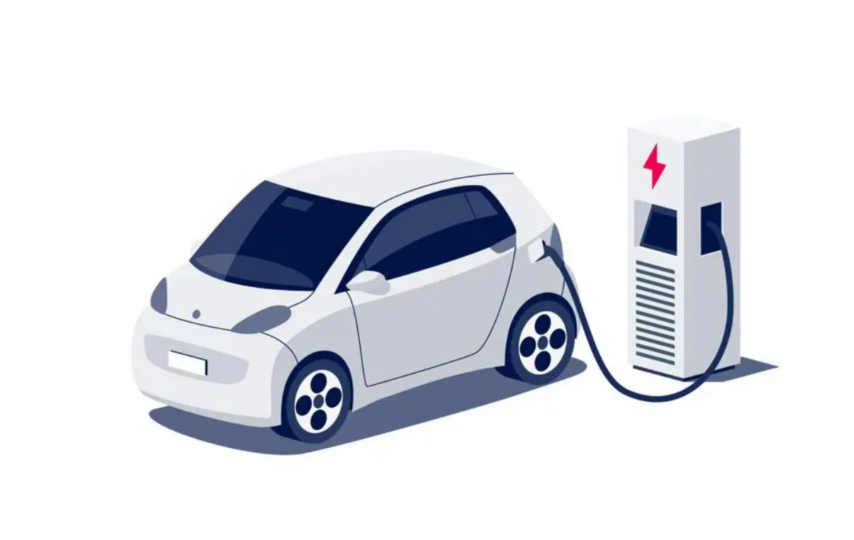

Electric vehicles are revolutionizing the automotive industry, yet misconceptions about their maintenance continue to discourage potential buyers. Many drivers hesitate to make the switch because they believe EVs require complex, expensive upkeep.
The truth is quite the opposite. Electric vehicles are significantly easier and more cost-effective to maintain than their gasoline-powered counterparts.
If you’re considering an electric vehicle, understanding the reality of EV maintenance can help you make an informed decision. Let’s separate fact from fiction by debunking five common myths about EV maintenance.
Myth 1: EVs Require Just as Much Maintenance as Gas Cars
This is perhaps the biggest misconception about electric vehicles. Traditional combustion engines have thousands of moving parts that require regular attention and eventual replacement.
EVs, by contrast, have far fewer moving components. There’s no oil to change, no spark plugs to replace, no timing belts to worry about, and no complex transmission systems to service.
The electric motor in an EV is remarkably simple. It has just one moving part compared to hundreds in a traditional engine. This fundamental difference translates to dramatically reduced maintenance needs.
Most EV owners find that their maintenance schedule consists primarily of tire rotations, brake fluid checks, and cabin air filter replacements. These routine services are far less frequent and less expensive than the oil changes, filter replacements, and tune-ups required by gas vehicles.
Over the lifetime of the vehicle, this difference becomes substantial. Studies show that EV owners can save thousands of dollars on maintenance compared to traditional vehicle owners.
Myth 2: EV Batteries Need Constant Replacement
Battery anxiety extends beyond range concerns to maintenance worries. Many people believe that EV batteries degrade quickly and require frequent, expensive replacements.
Modern EV batteries are engineered to last. Most manufacturers warranty their batteries for 8-10 years or 100,000-160,000 kilometers, whichever comes first. This warranty period often exceeds the typical ownership duration for most drivers.
Battery technology has advanced significantly in recent years. Thermal management systems, sophisticated battery management software, and improved cell chemistry all contribute to longer battery life. Real-world data shows that most EV batteries retain 80-90% of their capacity even after a decade of use.
The feared battery replacement scenario rarely materializes during normal ownership. When it does become necessary years down the road, battery prices have been declining steadily. What cost $1,000 per kilowatt-hour a decade ago now costs closer to $130-150 per kilowatt-hour, and prices continue to drop.
Additionally, batteries don’t suddenly die. They gradually lose capacity over many years, giving owners plenty of time to plan. Even with reduced capacity, the vehicle remains functional and usable.
Myth 3: Brake Systems Wear Out Faster in EVs
This myth stems from a misunderstanding of how electric vehicles operate. In reality, EV brakes last significantly longer than those in conventional vehicles.
Electric vehicles use regenerative braking for most stopping situations. When you lift your foot off the accelerator, the electric motor reverses operation and becomes a generator. This process slows the vehicle while converting kinetic energy back into electricity to recharge the battery.
Because regenerative braking handles the majority of deceleration, the mechanical friction brakes are used far less frequently. Many EV drivers report going years without needing brake pad replacements. Some owners have driven over 100,000 kilometers on their original brake pads.
The reduced brake wear is one of the hidden maintenance savings of EV ownership. Traditional vehicle owners typically replace brake pads every 40,000-70,000 kilometers. EV owners often double or triple that interval.
The only consideration is that brake components may need occasional cleaning or servicing due to reduced use. However, this minor maintenance is far less expensive than regular brake pad and rotor replacements.
Myth 4: EVs Are Too Complex for Regular Mechanics
Some drivers worry that electric vehicles are technological mysteries that only specialized technicians can service. This concern keeps them from considering EV ownership.
The reality is that EVs are actually simpler mechanically than gas vehicles. While the powertrain technology differs, many components are identical to those in traditional cars. Suspension systems, steering mechanisms, wheels, tires, and HVAC systems all function similarly.
For the electric-specific components, the training requirements for technicians are straightforward. Many automotive schools and manufacturers now offer EV certification programs. The technician base is growing rapidly as EV adoption increases.
Most routine maintenance can be performed at any competent service center. Tire rotations, brake inspections, and fluid checks don’t require specialized EV knowledge. Only battery system diagnostics and high-voltage component work require specific training.
Furthermore, many EV manufacturers have expanded their service networks significantly. Mobile service options are increasingly common, with technicians coming directly to your home or office for many procedures.
Myth 5: Software Updates Are Problematic and Expensive
The high-tech nature of electric vehicles leads some to believe that software maintenance will be costly and troublesome. They imagine frequent dealer visits for updates or expensive diagnostic fees.
Modern EVs receive software updates wirelessly, similar to smartphones. These over-the-air updates happen automatically, often while the vehicle is parked and charging overnight. You simply wake up to improved features, bug fixes, or enhanced performance.
These updates are included in your vehicle ownership at no additional cost. There are no service appointments required, no time wasted at dealerships, and no fees charged. The vehicle handles everything automatically.
Software updates can actually improve your vehicle over time. Manufacturers regularly enhance battery management algorithms, add new features, improve charging speeds, and refine driving dynamics. Your EV can literally get better as it ages.
The contrast with traditional vehicles is striking. Gas cars require periodic ECU updates that necessitate dealer visits and often come with service charges. EVs eliminate this inconvenience.
The Bottom Line: Simplicity Equals Savings
The evidence clearly contradicts common EV maintenance myths. Electric vehicles are simpler, more reliable, and less expensive to maintain than gasoline-powered alternatives.
The lack of an internal combustion engine eliminates the vast majority of maintenance headaches. No oil changes, no transmission services, no exhaust system repairs, no fuel system cleaning, the list of eliminated maintenance goes on and on.
When you factor in regenerative braking, extending brake life, and over-the-air updates eliminating service visits, the maintenance advantage becomes even more pronounced. EV owners consistently report lower ownership costs and fewer unexpected repair bills.
For drivers in Singapore’s tropical climate, EVs offer additional advantages. The absence of complex cooling systems for engines and transmissions means fewer components vulnerable to heat and humidity. The simplified drivetrain is inherently more reliable in challenging environmental conditions.
The initial purchase price of an electric vehicle may seem higher, but the lifetime ownership costs tell a different story. When you account for reduced maintenance, lower “fuel” costs from electricity, and government incentives, EVs often prove more economical.
Making the Switch with Confidence
Understanding the true maintenance requirements of electric vehicles removes a significant barrier to adoption. The myths we’ve debunked here persist largely because they’re based on outdated information or assumptions carried over from gas vehicle experience.
Modern electric vehicles represent a fundamental shift in automotive engineering. Their elegant simplicity is a feature, not a bug. Fewer parts mean fewer things to break, repair, or replace.
If you’ve been hesitating to explore electric vehicle ownership due to maintenance concerns, it’s time to reconsider. The reality is that EVs will likely save you time, money, and hassle compared to your current vehicle. Visit a dealership, talk to current EV owners, and experience the difference for yourself.
The future of automotive maintenance is refreshingly uncomplicated. Electric vehicles prove that sometimes, less really is more.


