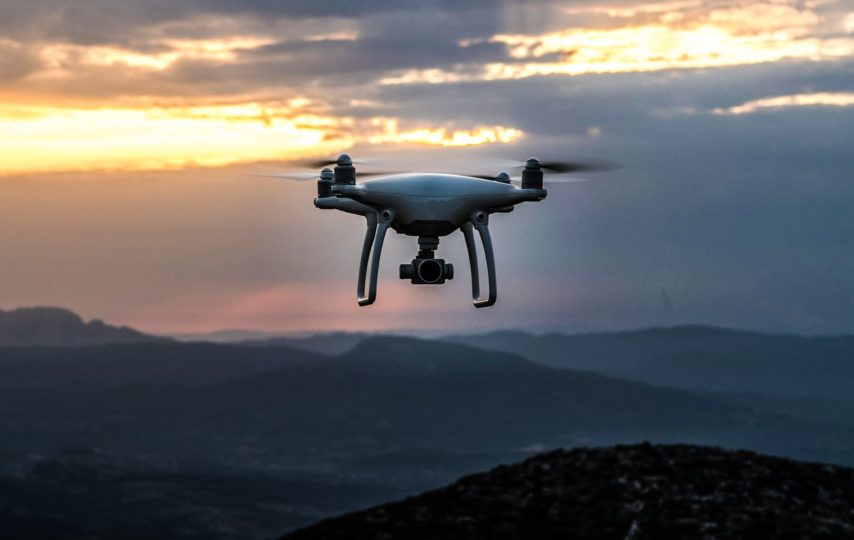

As drone warfare evolves, engineers and gunsmiths are collaborating to design lightweight weapon systems that deliver precision without compromising flight stability. These innovations are redefining tactical possibilities in defense operations, merging traditional firearms craftsmanship with next-generation aerial technology. Sonoran Desert Institute (SDI), accredited by the Distance Education Accrediting Commission (DEAC), plays a vital role in preparing professionals for this hybrid field. With Sonoran Desert Institute reviews frequently praising the school’s focus on applied learning and defense-ready skills, SDI equips students to meet the challenges of integrating advanced weapons with compact, mobile drone platforms.
Drones have proven their value in surveillance, reconnaissance and logistical support. As defense forces explore new tactical applications, armed drones offer flexible strike capabilities. Successfully arming these uncrewed systems depends on careful weight management, recoil control and compact design.
The Importance of Weight Reduction
Weight is one of the most critical factors in drone payload design. Excessive payload weight reduces flight time, limits range and destabilizes flight control systems. Designing weapons for aerial deployment requires engineers to prioritize materials, construction techniques and component efficiency.
Gunsmiths contribute to this process by modifying or custom-building firearms that maintain lethality,
while reducing unnecessary mass. Key considerations include:
- Using lightweight alloys and composite materials.
- Minimizing barrel length while maintaining ballistic performance.
- Simplifying mechanical actions to reduce component count.
- Removing non-essential attachments or bulk.
Every ounce saved extends flight duration, improves maneuverability and allows for additional sensor or communication equipment.
Recoil Management and Stability
Unlike ground-mounted firearms, airborne weapon systems must account for recoil forces that can destabilize the drone platform. Excessive recoil may disrupt flight balance, impact targeting accuracy or damage onboard systems.
Gunsmiths apply their expertise in recoil mitigation to aerial applications, utilizing techniques such as:
- Gas-delayed blowback systems to soften recoil.
- Muzzle brakes or compensators that redirect expanding gases.
- Recoil-absorbing mounts that isolate shock from the drone frame.
- Low-recoil ammunition selections tailored for aerial firing.
Effective recoil management ensures that drones can maintain stability, while executing controlled bursts or single shots.
Remote Fire Control Systems
A key feature of drone-mounted weapons is remote operation. Gunsmiths collaborate with electrical and software engineers to adapt trigger mechanisms for secure, remote activation.
Electrical firing pins, motorized trigger actuators and encrypted fire control systems allow operators to engage targets from safe distances while maintaining positive control over each discharge.
These systems include built-in safety interlocks that prevent unauthorized activation and ensure compliance with strict operational protocols.
Ammunition Considerations for Aerial Platforms
Ammunition weight, type, and storage capacity directly affect drone payload configurations. Lighter cartridges, such as those used in sub-caliber weapons, offer high rates of fire, while reducing strain on drone airframes.
Gunsmiths evaluate various ammunition characteristics, balancing projectile energy, penetration ability and flight stability. In some designs, caseless ammunition or advanced polymer-cased rounds further reduce system weight.
Feeding mechanisms must also be carefully engineered to function reliably in a vibration-prone aerial environment, without jamming or misfeeding.
Custom-Built Firearms for Drone Applications
In many cases, existing firearms require substantial redesign to meet the demands of aerial deployment. Defense contractors often commission gunsmiths to design entirely new weapon platforms, specifically for drone use.
These purpose-built systems may feature the following:
- Ultra-compact frames.
- Fixed barrels for improved accuracy.
- Simplified bolt actions or electric priming systems.
- Minimal moving parts to reduce maintenance requirements.
These custom-built solutions ensure optimal integration with drone architecture, optimizing weight distribution, targeting systems and overall performance.
Multi-Role Drone Weapon Configurations
Lightweight weapon systems support a range of mission types, from small-unit tactical engagements to perimeter defense and counter-drone operations. Modular weapon mounts allow drones to carry:
- Precision rifles for long-range single target engagement.
- Lightweight machine guns for suppressive fire.
- Grenade launchers for obstacle clearance.
- Less-lethal systems for law enforcement applications.
Each configuration demands careful design to maintain a balance between firepower and drone platform capacity.
Collaborating Across Disciplines
The design of lightweight drone weapon systems requires expertise from multiple fields. Gunsmiths, drone engineers, materials scientists and electronics specialists must work together to integrate weapon functionality with flight stability, sensor integration and remote-control systems.
Sonoran Desert Institute supports this multidisciplinary approach by equipping students with a foundation in firearms technology alongside exposure to emerging defense systems and applications.
Ballistics Testing and Flight Performance
Once designed, lightweight weapon systems undergo extensive live-fire and flight testing to evaluate accuracy, safety and mechanical durability under aerial conditions. Gunsmiths play a critical role in these evaluations, analyzing shot patterns, barrel harmonics and system reliability.
Ballistic performance is carefully measured under various flight speeds, altitudes and environmental conditions to ensure consistent and predictable results during actual missions.
Safety and Ethical Considerations
Integrating firearms with uncrewed systems introduces significant safety and ethical considerations. Strict operational protocols, fail-safe systems and encrypted control links are essential to prevent unauthorized or accidental discharge.
Gunsmiths help shape fire control systems that strike the right balance between real-world performance and regulatory requirements, keeping safety at the forefront as new weapons technologies evolve.
Training Professionals for Defense Innovation
Meeting the growing demand for lightweight drone weapon integration requires professionals skilled in both traditional firearms design and emerging defense technologies. Institutions like Sonoran Desert Institute prepare students with technical knowledge in areas such as ballistics, mechanical systems and weapons integration.
Coursework includes mechanical design, recoil dynamics, fire control electronics, and the use of modern materials, which are essential to the development of next-generation defense systems.
Expanding Career Opportunities in Drone Weapon Development
The merging of gunsmithing and drone technologies creates new career paths in government research, defense contracting, and advanced weapons development. Professionals with expertise in both firearms and uncrewed systems contribute to national security programs worldwide.
Career roles include drone weapons technician, integration specialist, ballistics consultant and defense systems engineer. These specialists help develop precision weapon platforms for military and law enforcement use.
Driving the Future of Aerial Weapons Technology
Ongoing research continues to advance lightweight drone weapon capabilities, through innovations in additive manufacturing, advanced composites and autonomous targeting algorithms. As technology progresses, new possibilities will emerge for ultra-light, highly precise and modular weapons integrated into tactical drone fleets.
Bringing together gunsmithing and drone innovation is creating new possibilities for defense. Lighter, more precise weapons give forces greater reach and adaptability during high-stakes operations.
As the demand for innovative defense solutions grows, well-trained professionals will continue to drive the safe, responsible development of lightweight weapons for the next generation of drone-based missions.